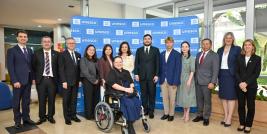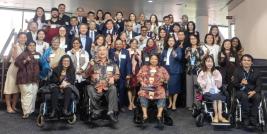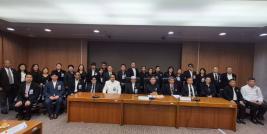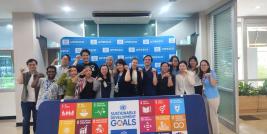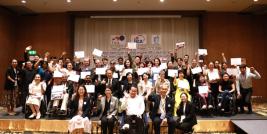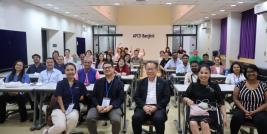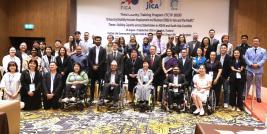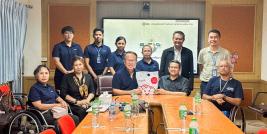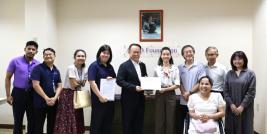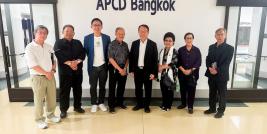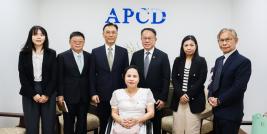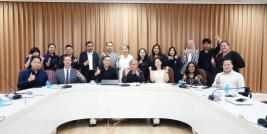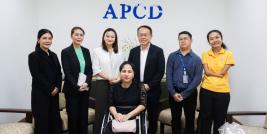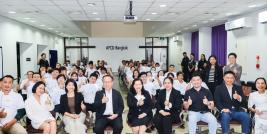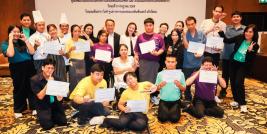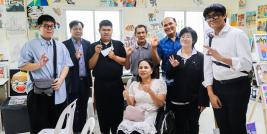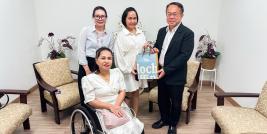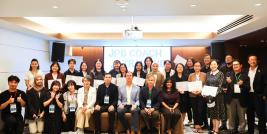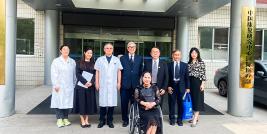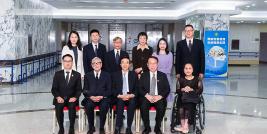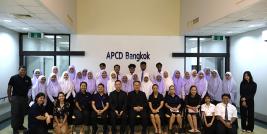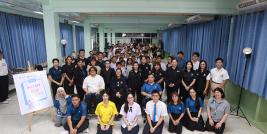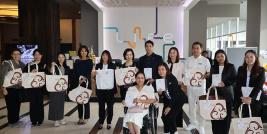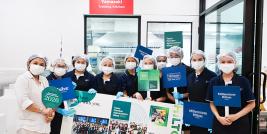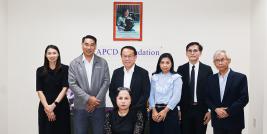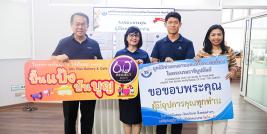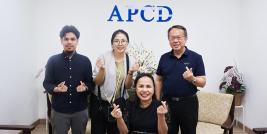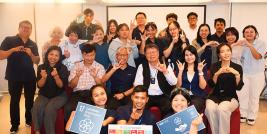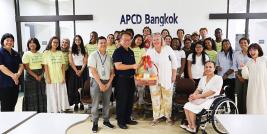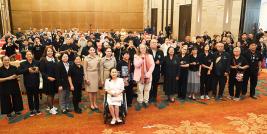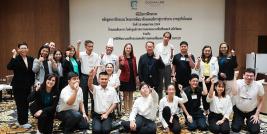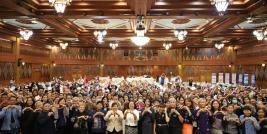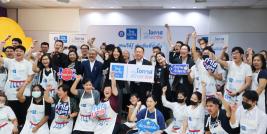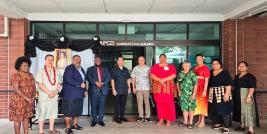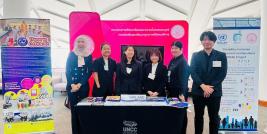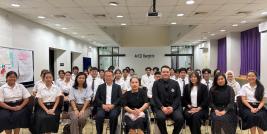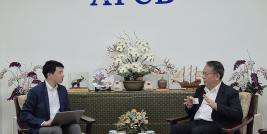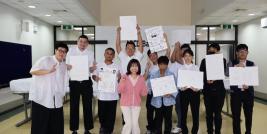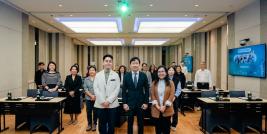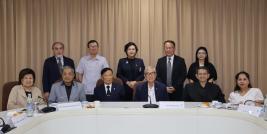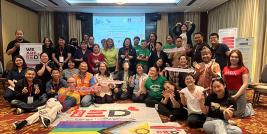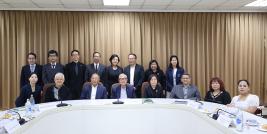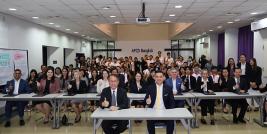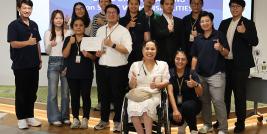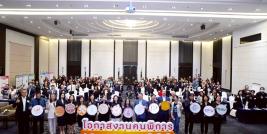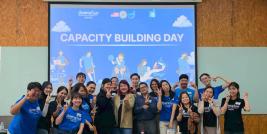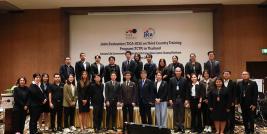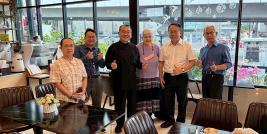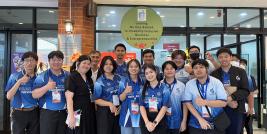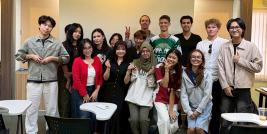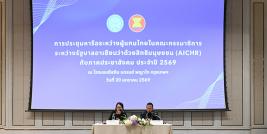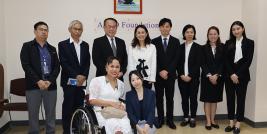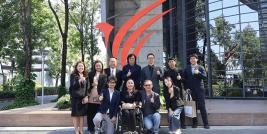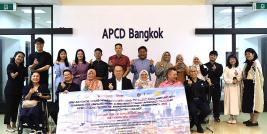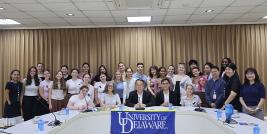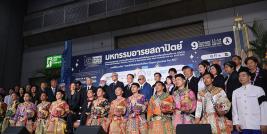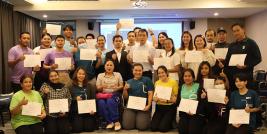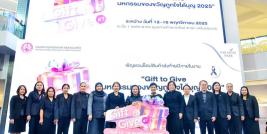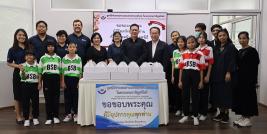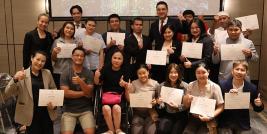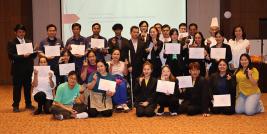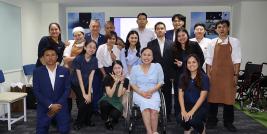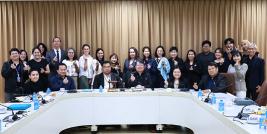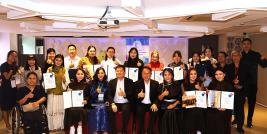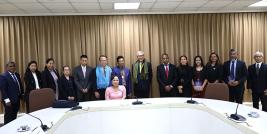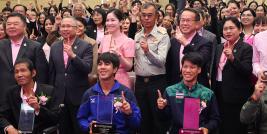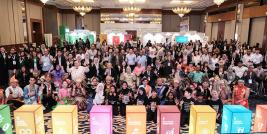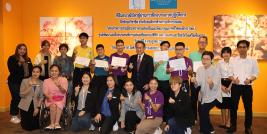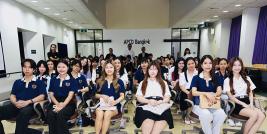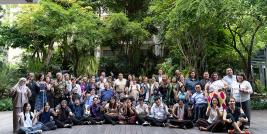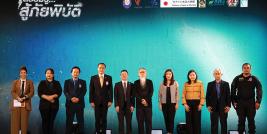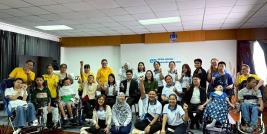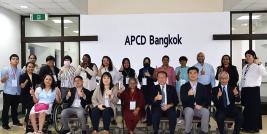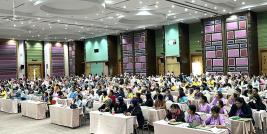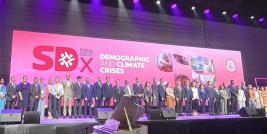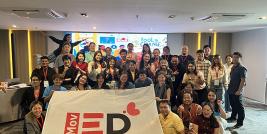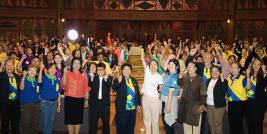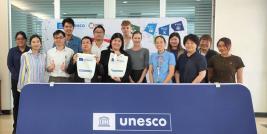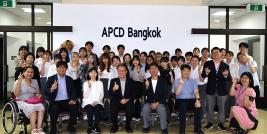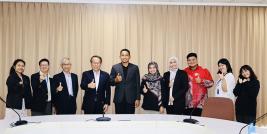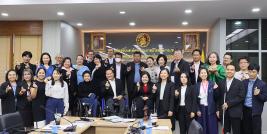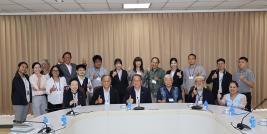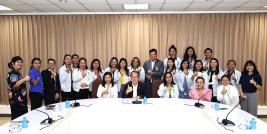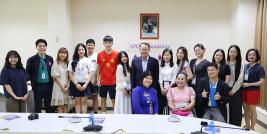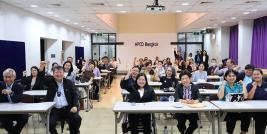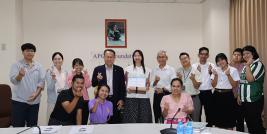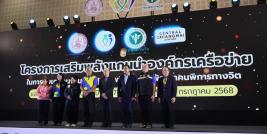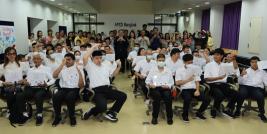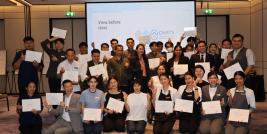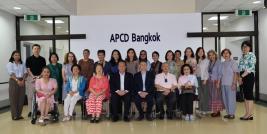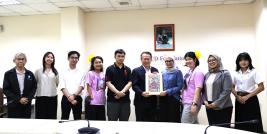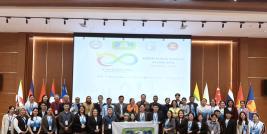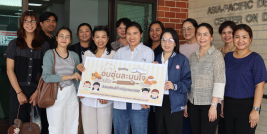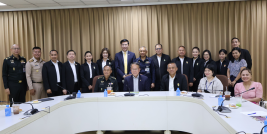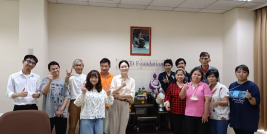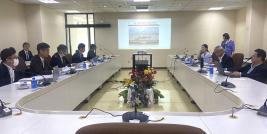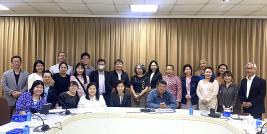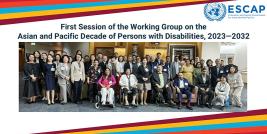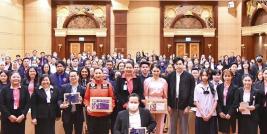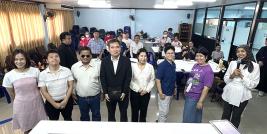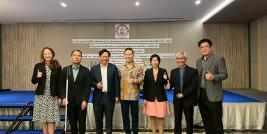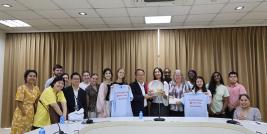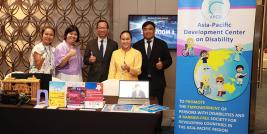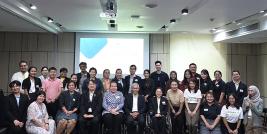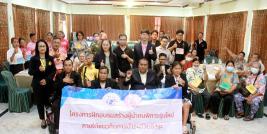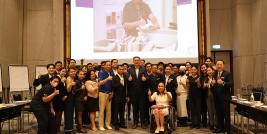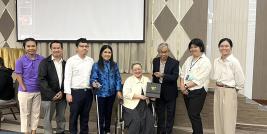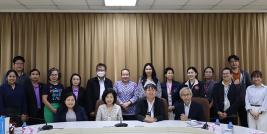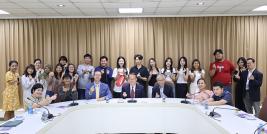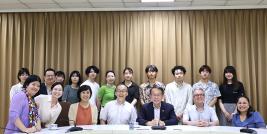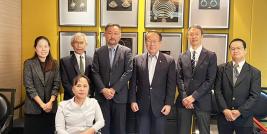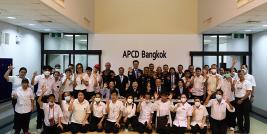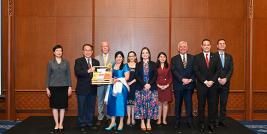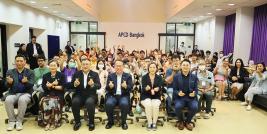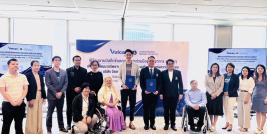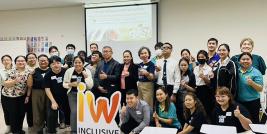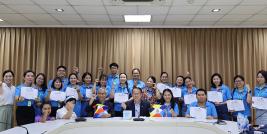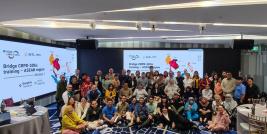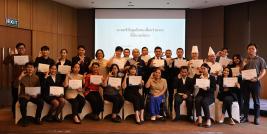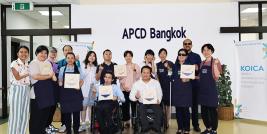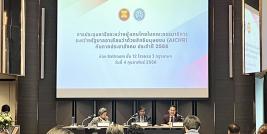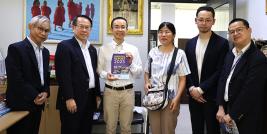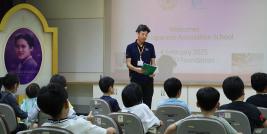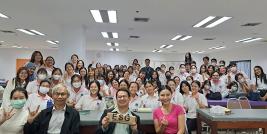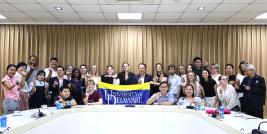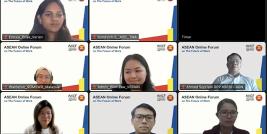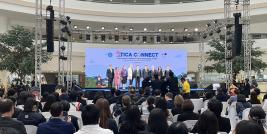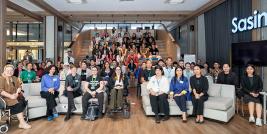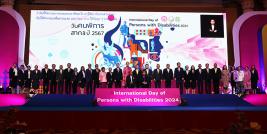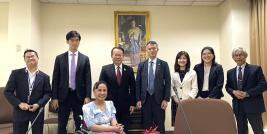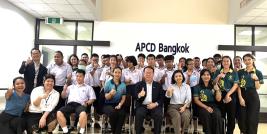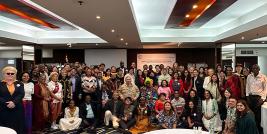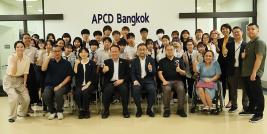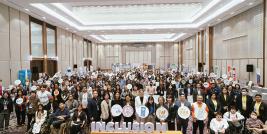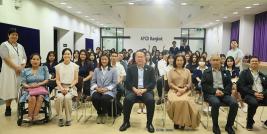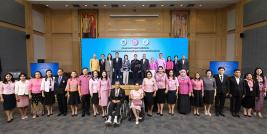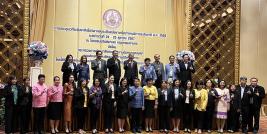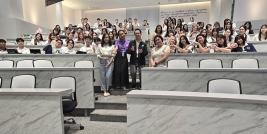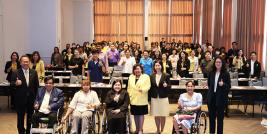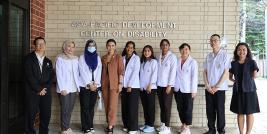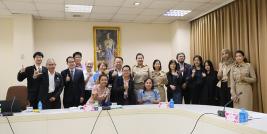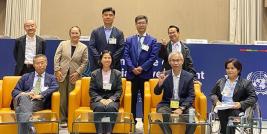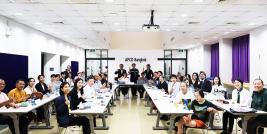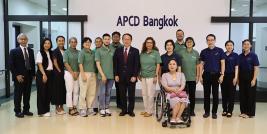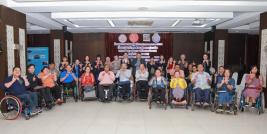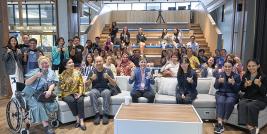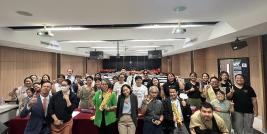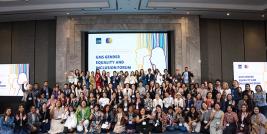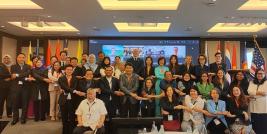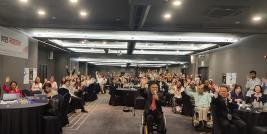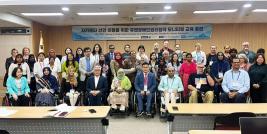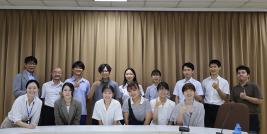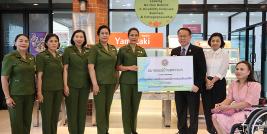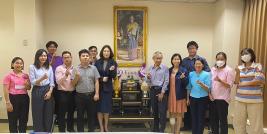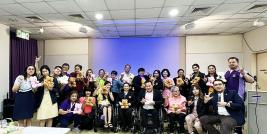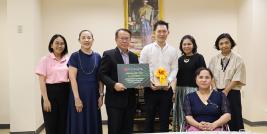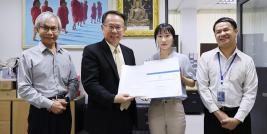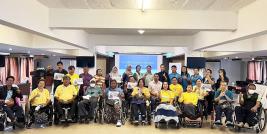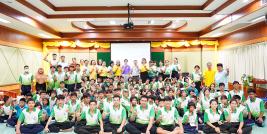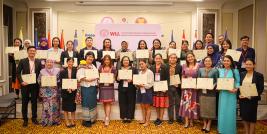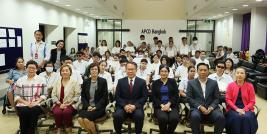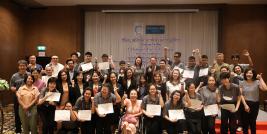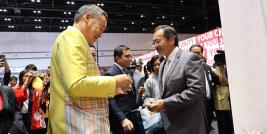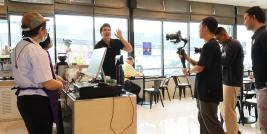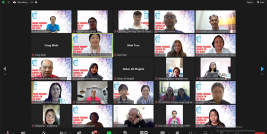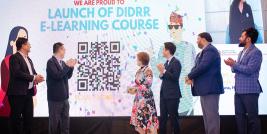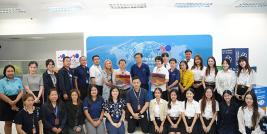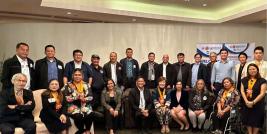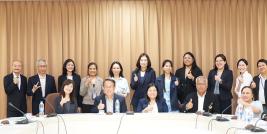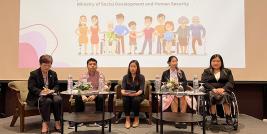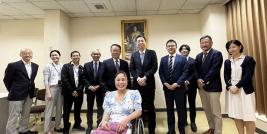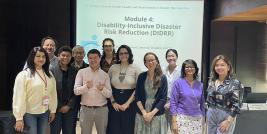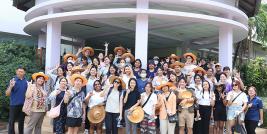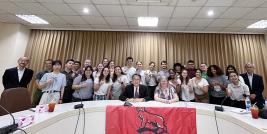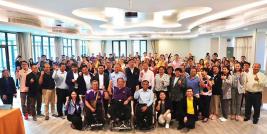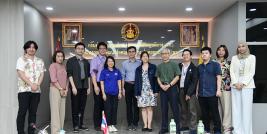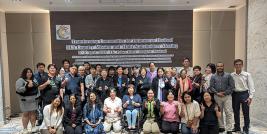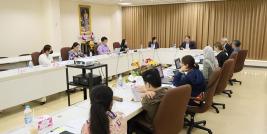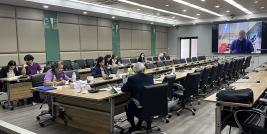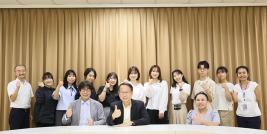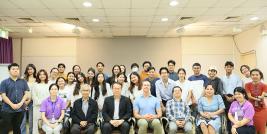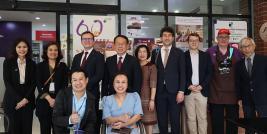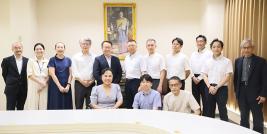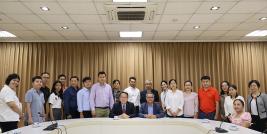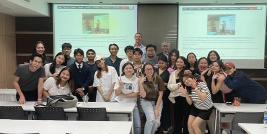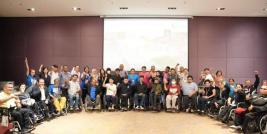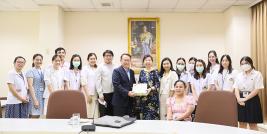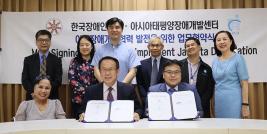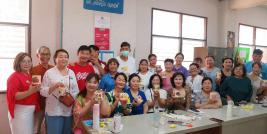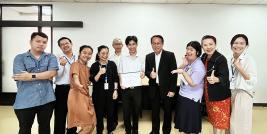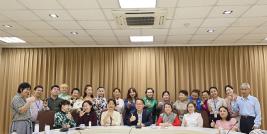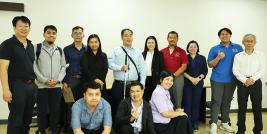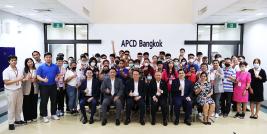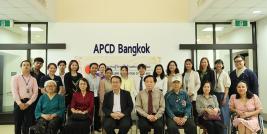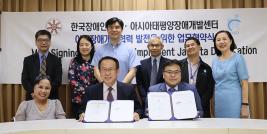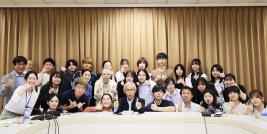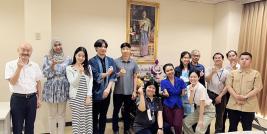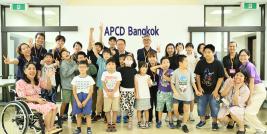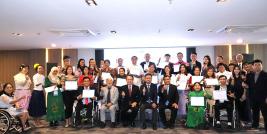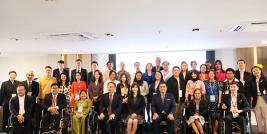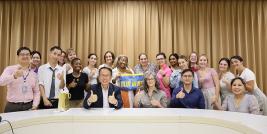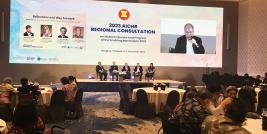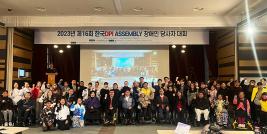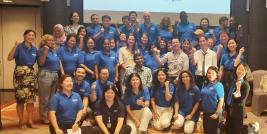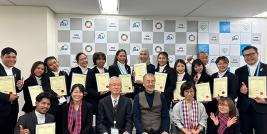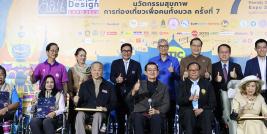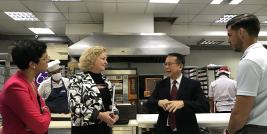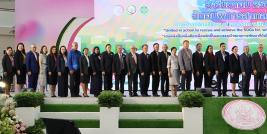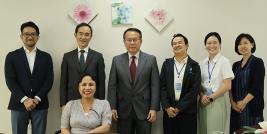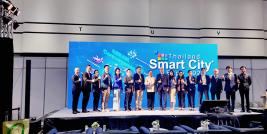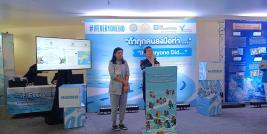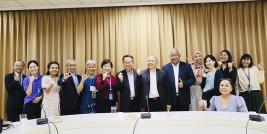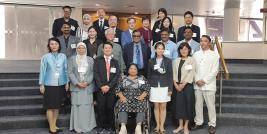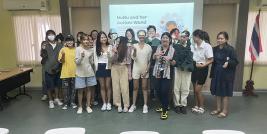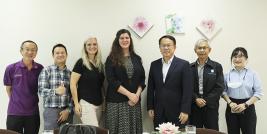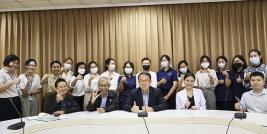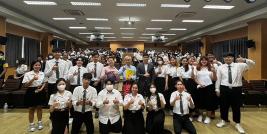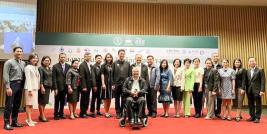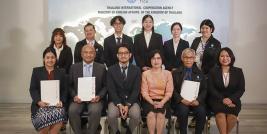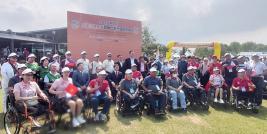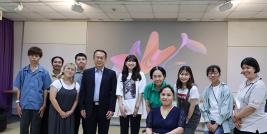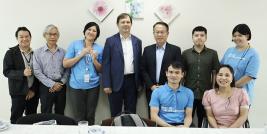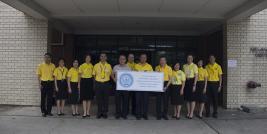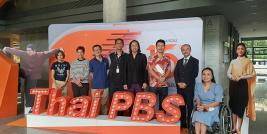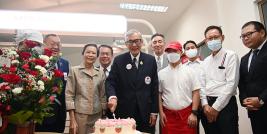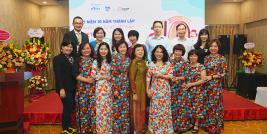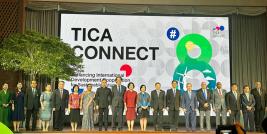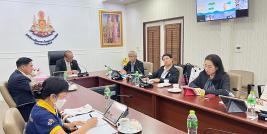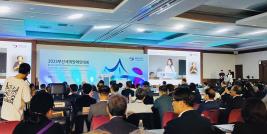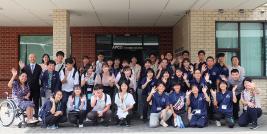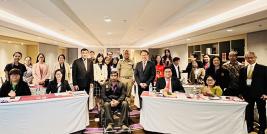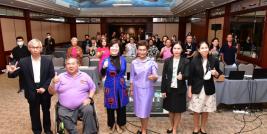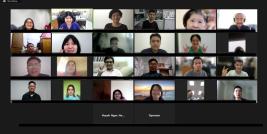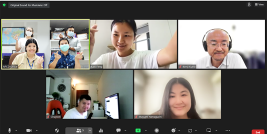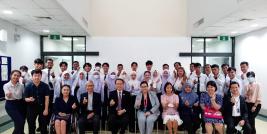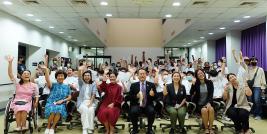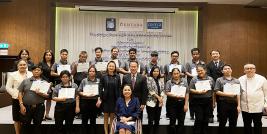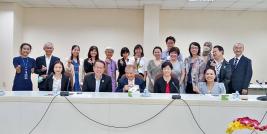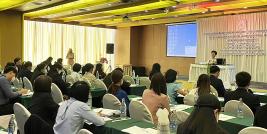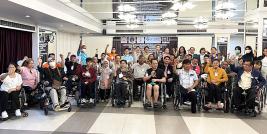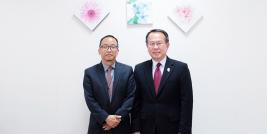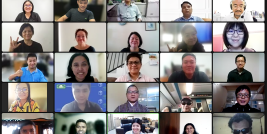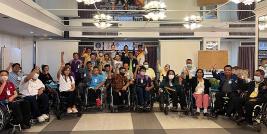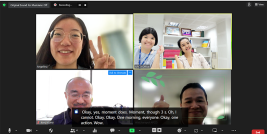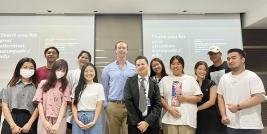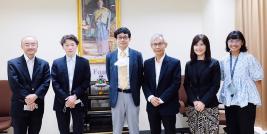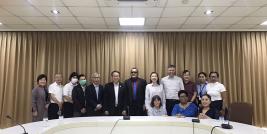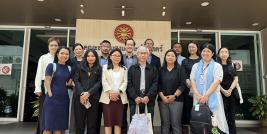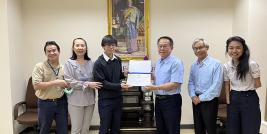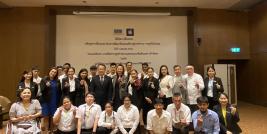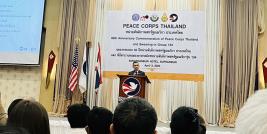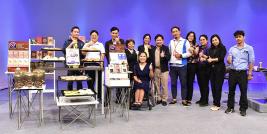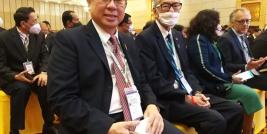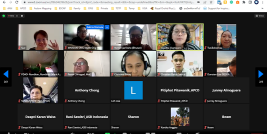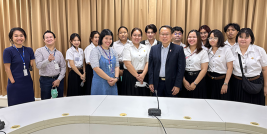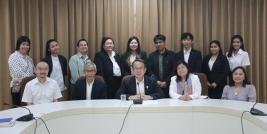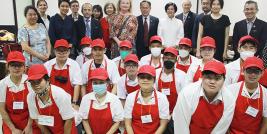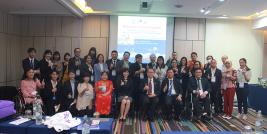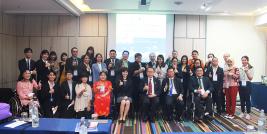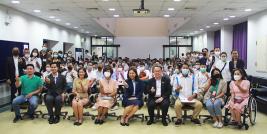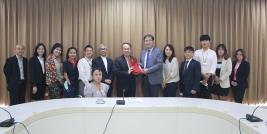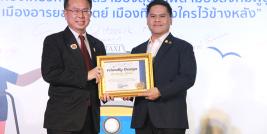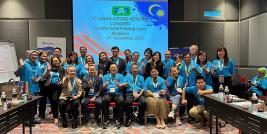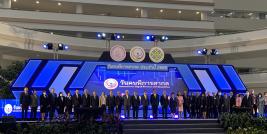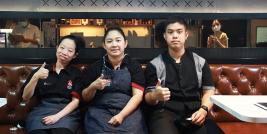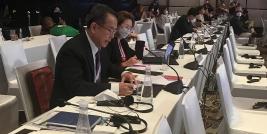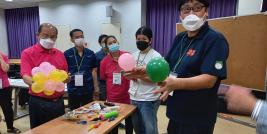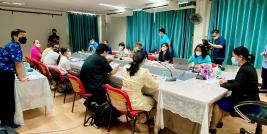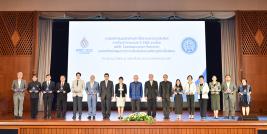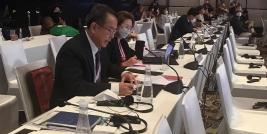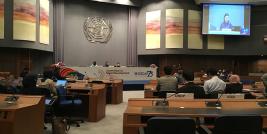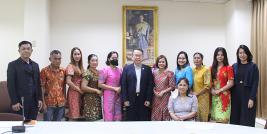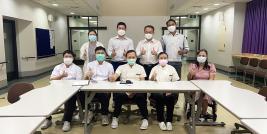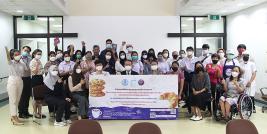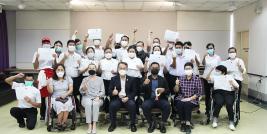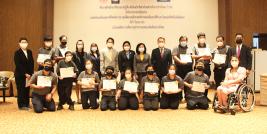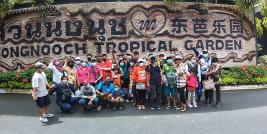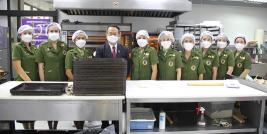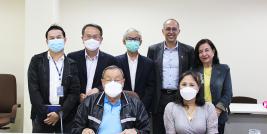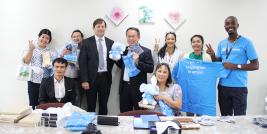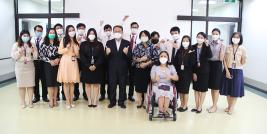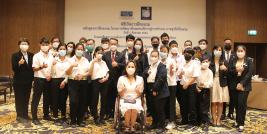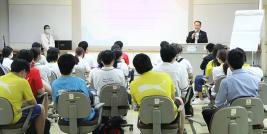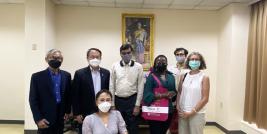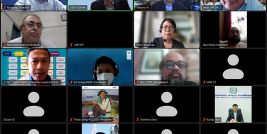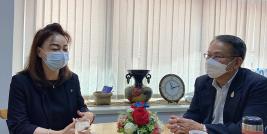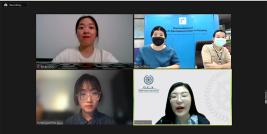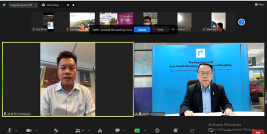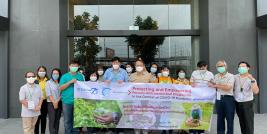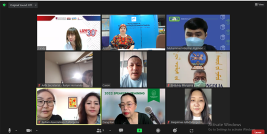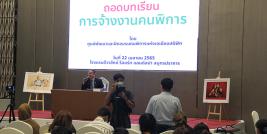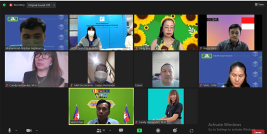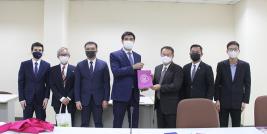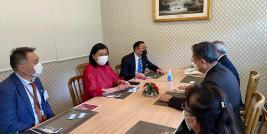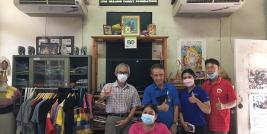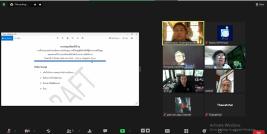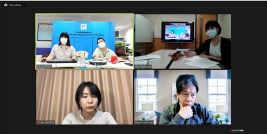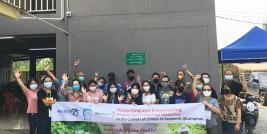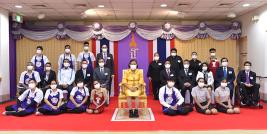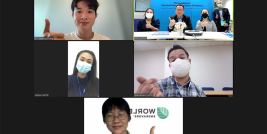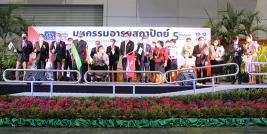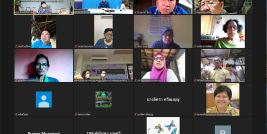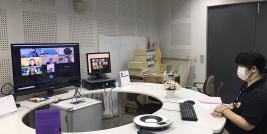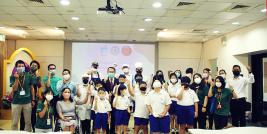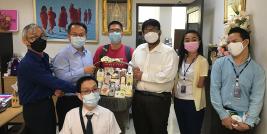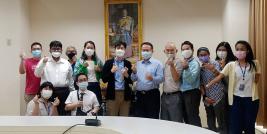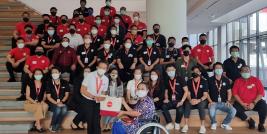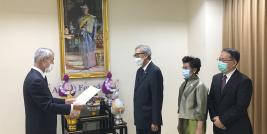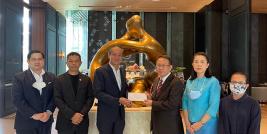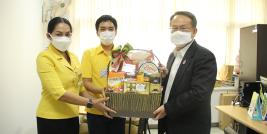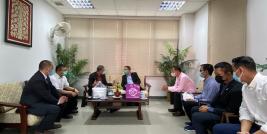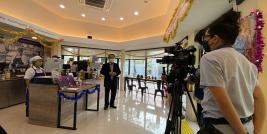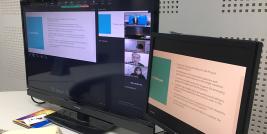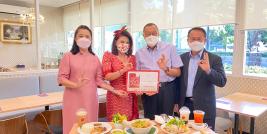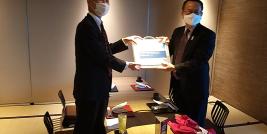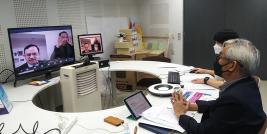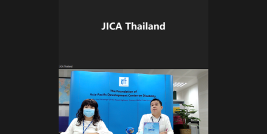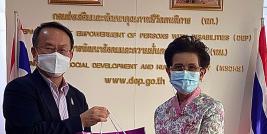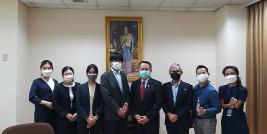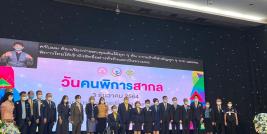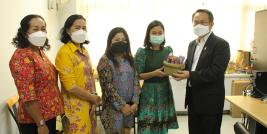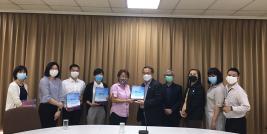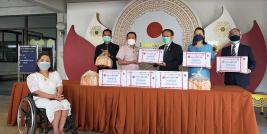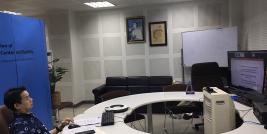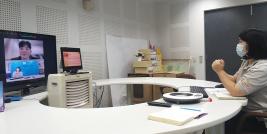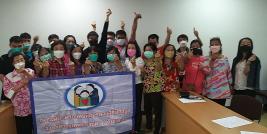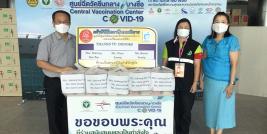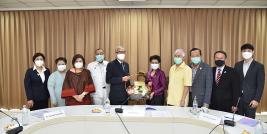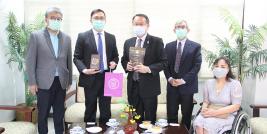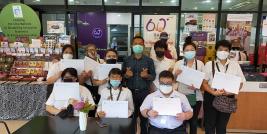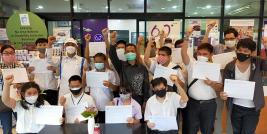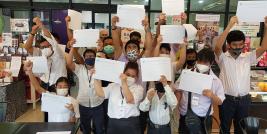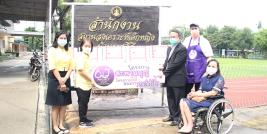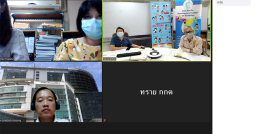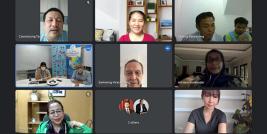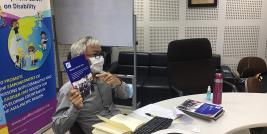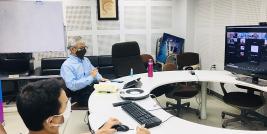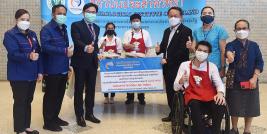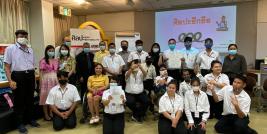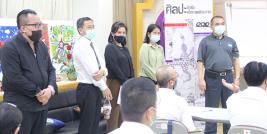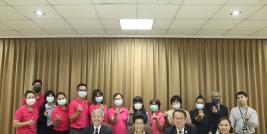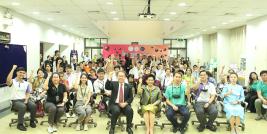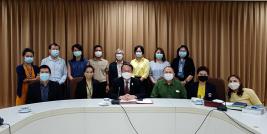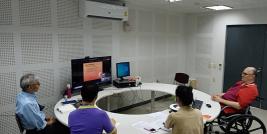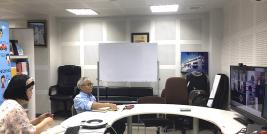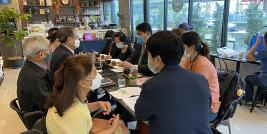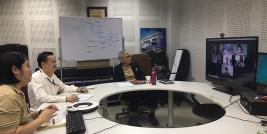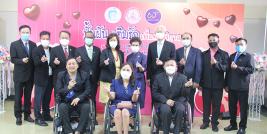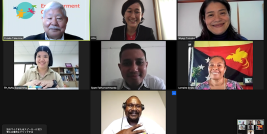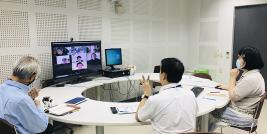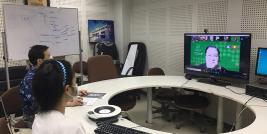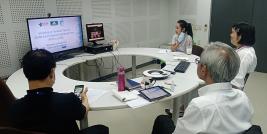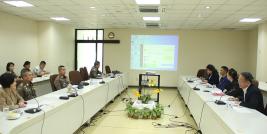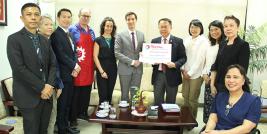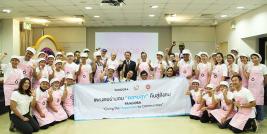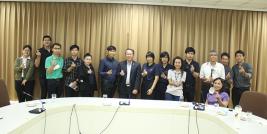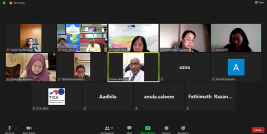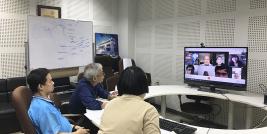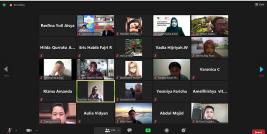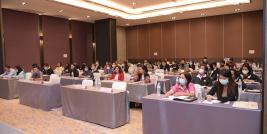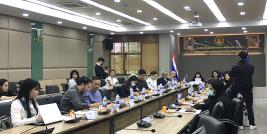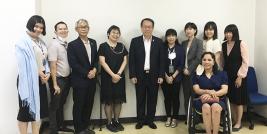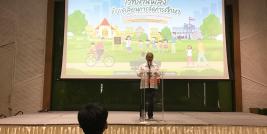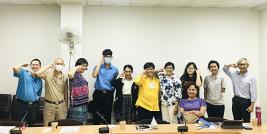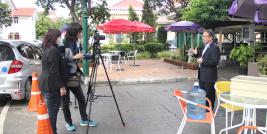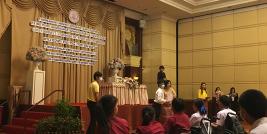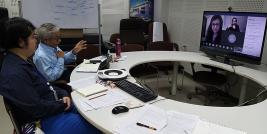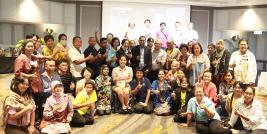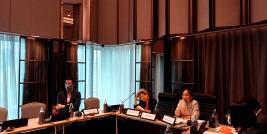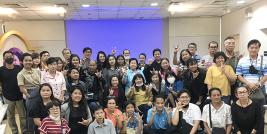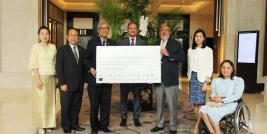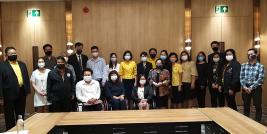



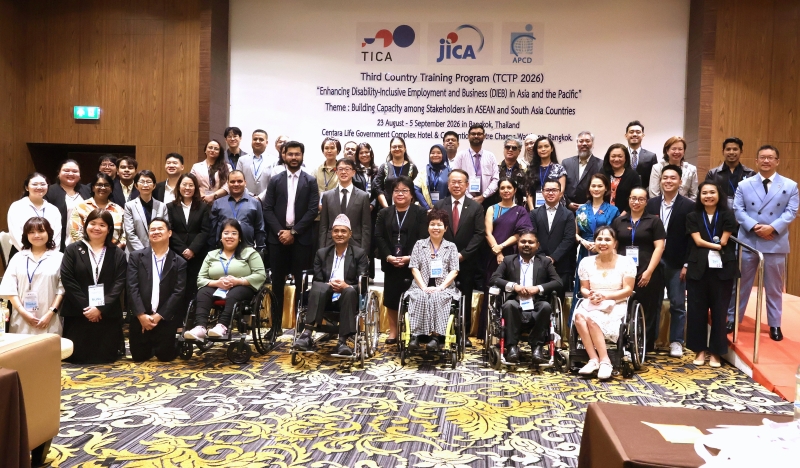
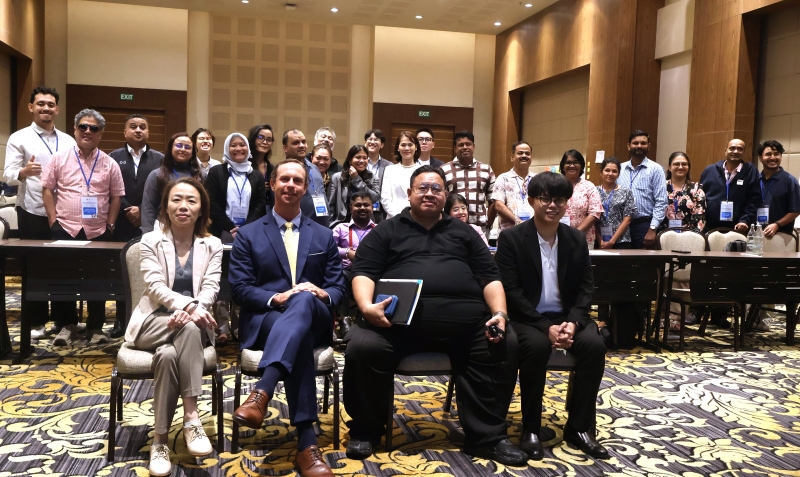
Participants, resource persons, diplomatic representatives, and organizers gathered for the official group photo at the opening of TCTP 2026 DIEB at Centara Life Government Complex Hotel & Convention Centre Chaeng Watthana, Bangkok.
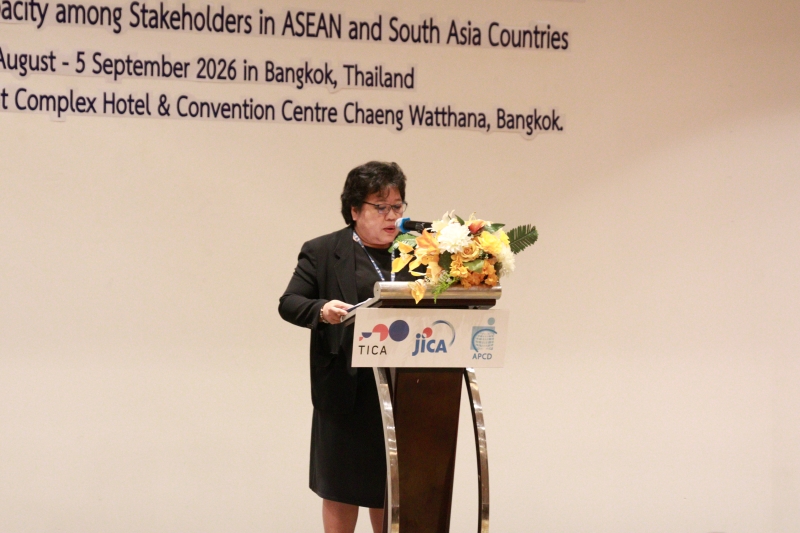
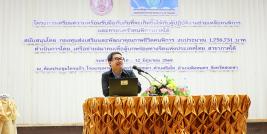
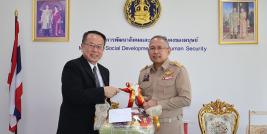
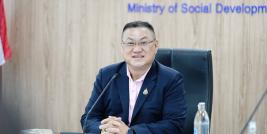
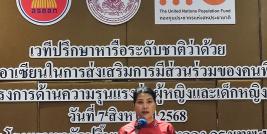
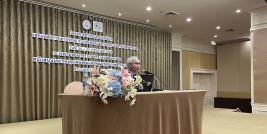
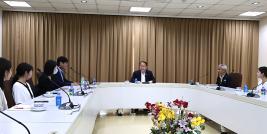
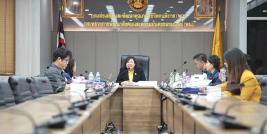
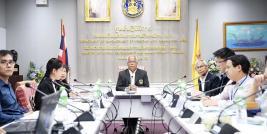
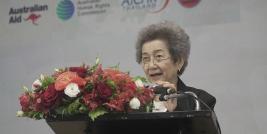
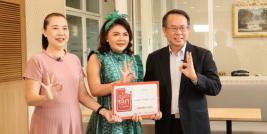
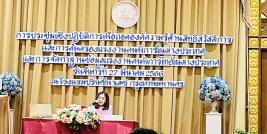
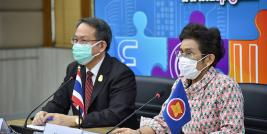
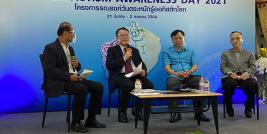
Ms. Chidchanok Malayawong of TICA delivered opening remarks, highlighting TCTP as a platform for sharing knowledge, experiences, and development cooperation among countries.
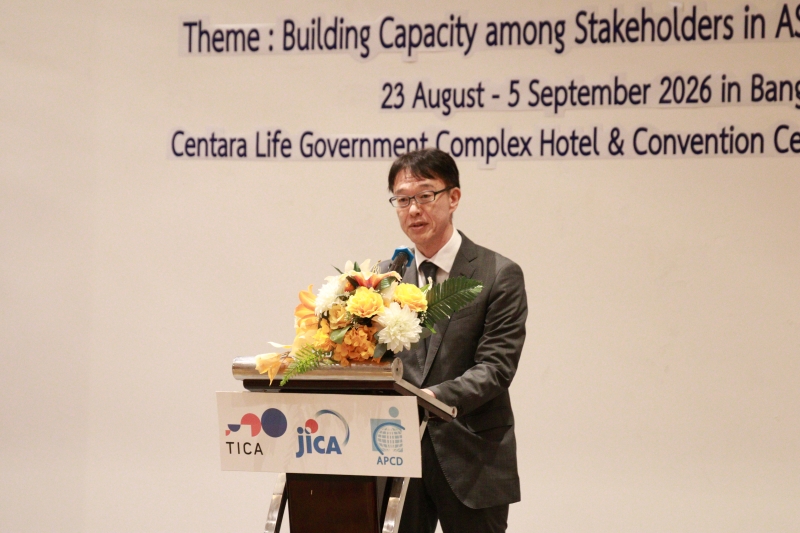
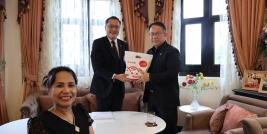
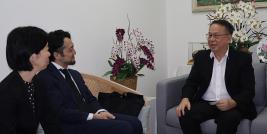
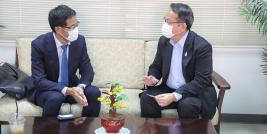
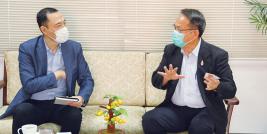
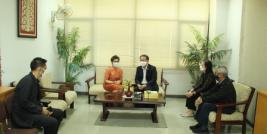
Mr. Sakudo Shunsuke, Chief Representative of JICA Thailand Office, emphasized the growing business value of disability inclusion in driving innovation and expanding opportunities.
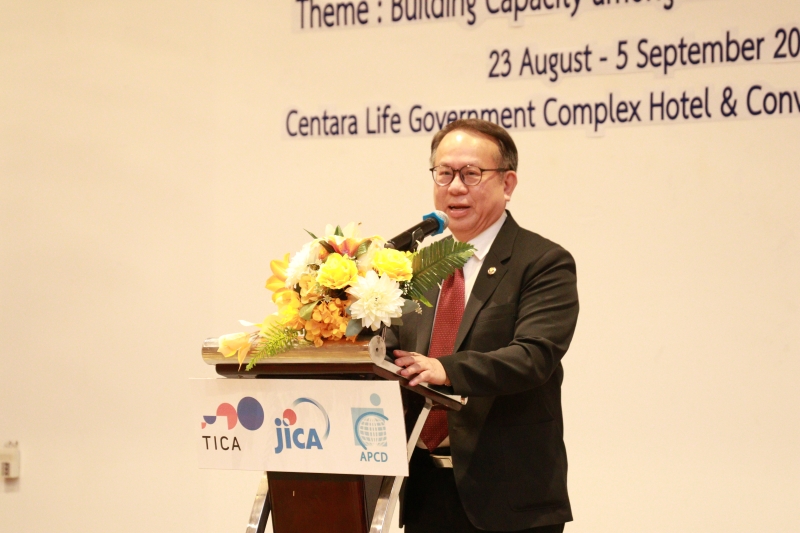
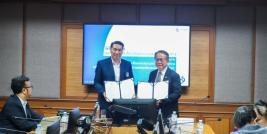
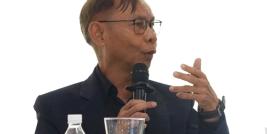
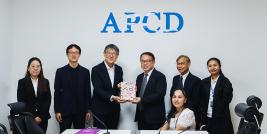
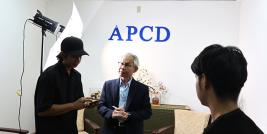
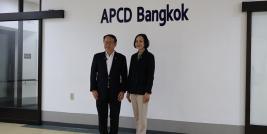
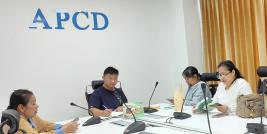
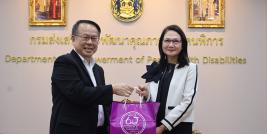
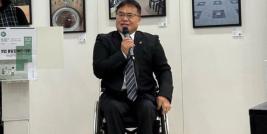
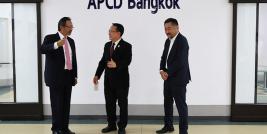
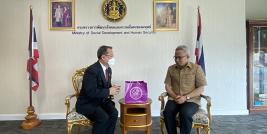
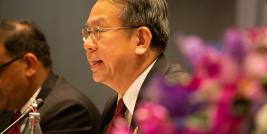
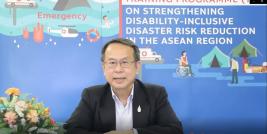
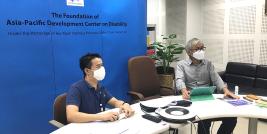
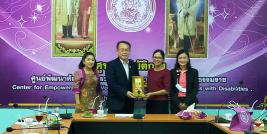
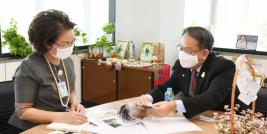
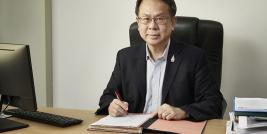
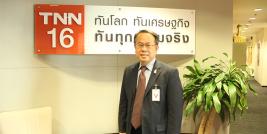
Mr. Piroon Laismit, Executive Director of APCD, welcomed participants and emphasized the role of inclusive business in achieving sustainable development and leaving no one behind.
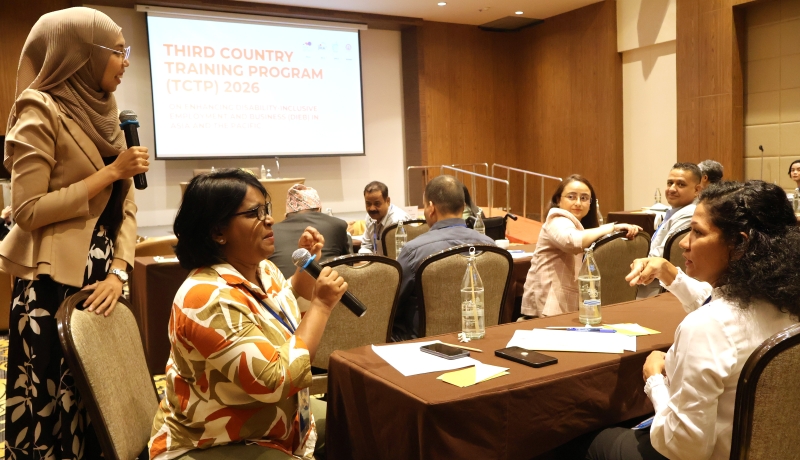
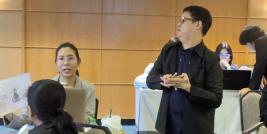
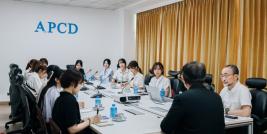
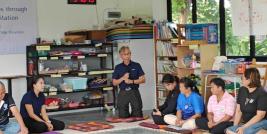
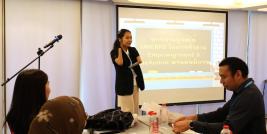
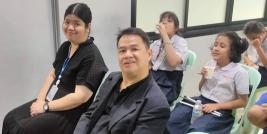
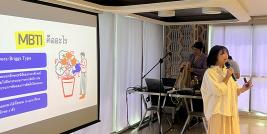
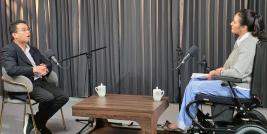
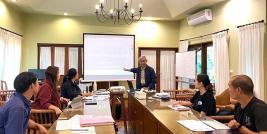
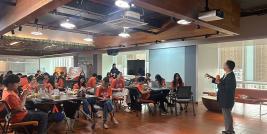
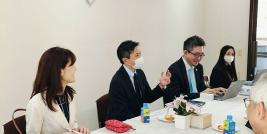
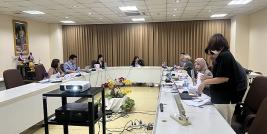
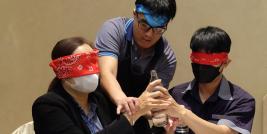
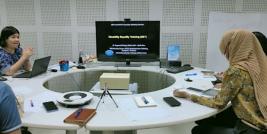
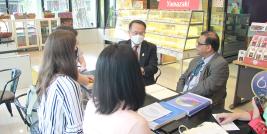
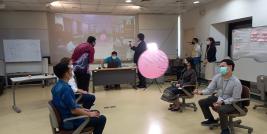
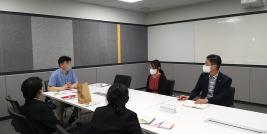
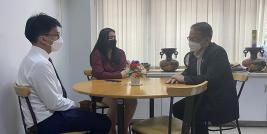
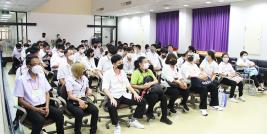
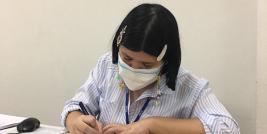
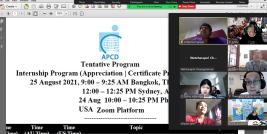
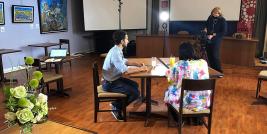
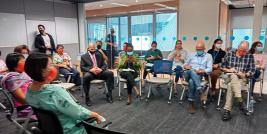
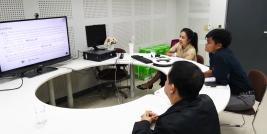
Ms. Prim Kaewpradub, DEP officer on international cooperation section facilitated an interactive orientation session that promoted inclusive communication and active participation among all trainees.
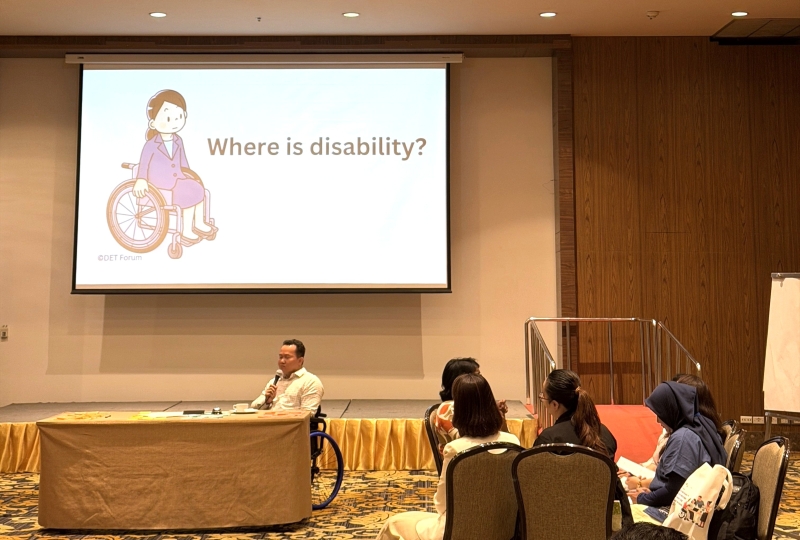
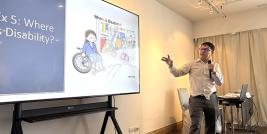
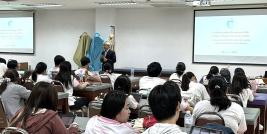
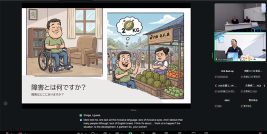
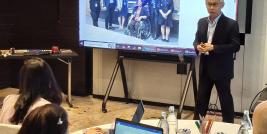
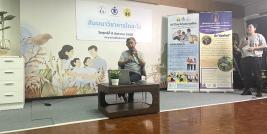
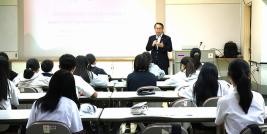
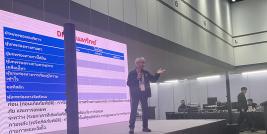
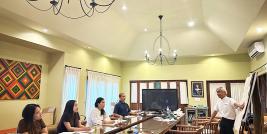
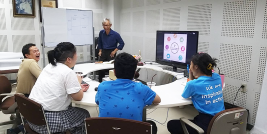
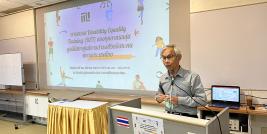
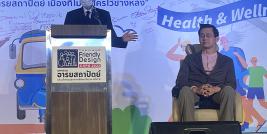
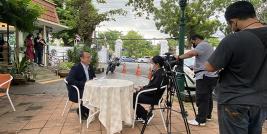
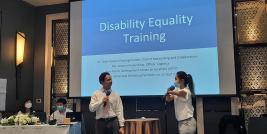
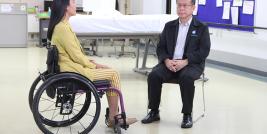
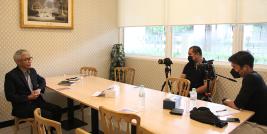
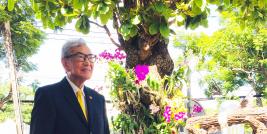
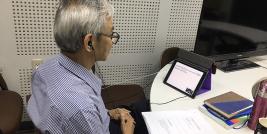
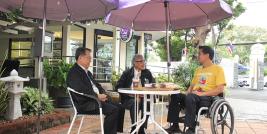
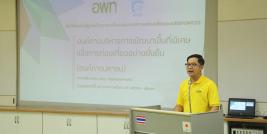
Mr. Sawang Srisom, Thai resource person introduced Disability Equality Training (DET), encouraging participants to challenge stereotypes and better understand disability inclusion, barriers and barriers-free society.
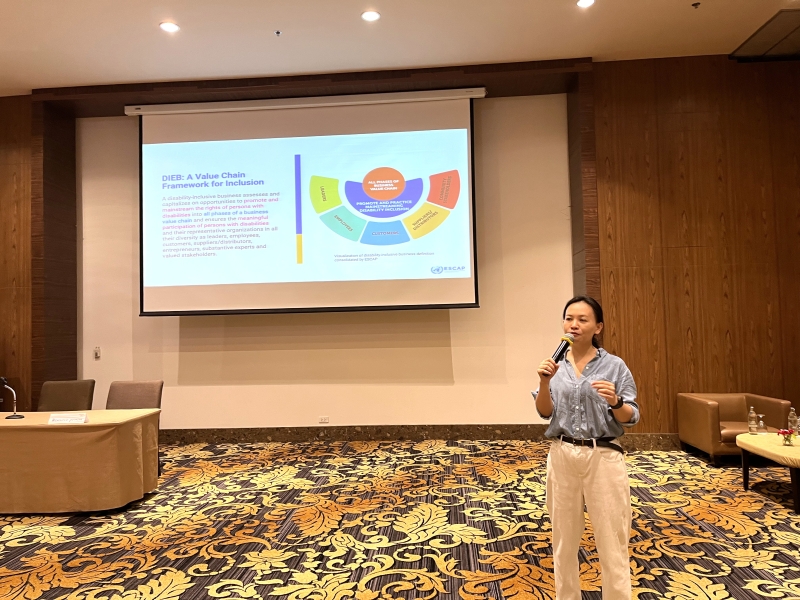
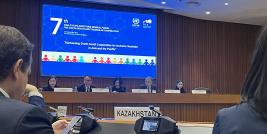
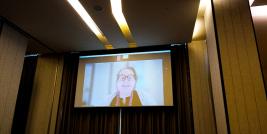
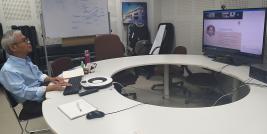
Ms. Tingting Chen of UNESCAP shared regional trends, policy developments, and good practices in disability-inclusive employment and business.
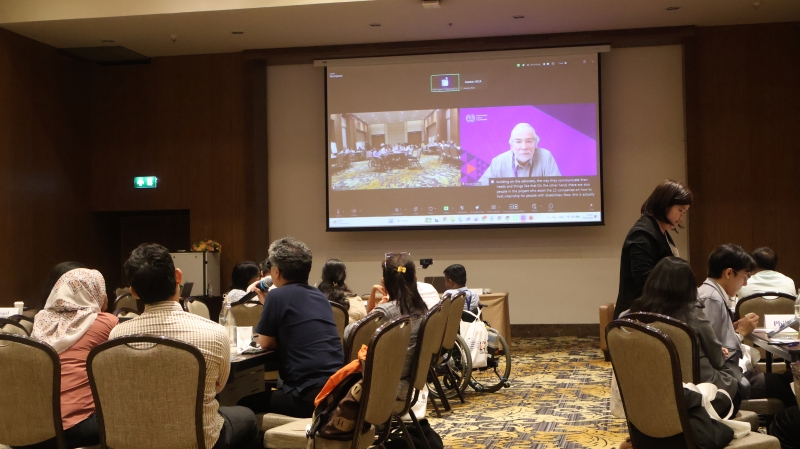
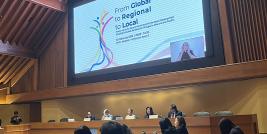
Mr. Stefan Trömel of ILO presented global and regional perspectives on advancing disability-inclusive employment across Asia and the Pacific.
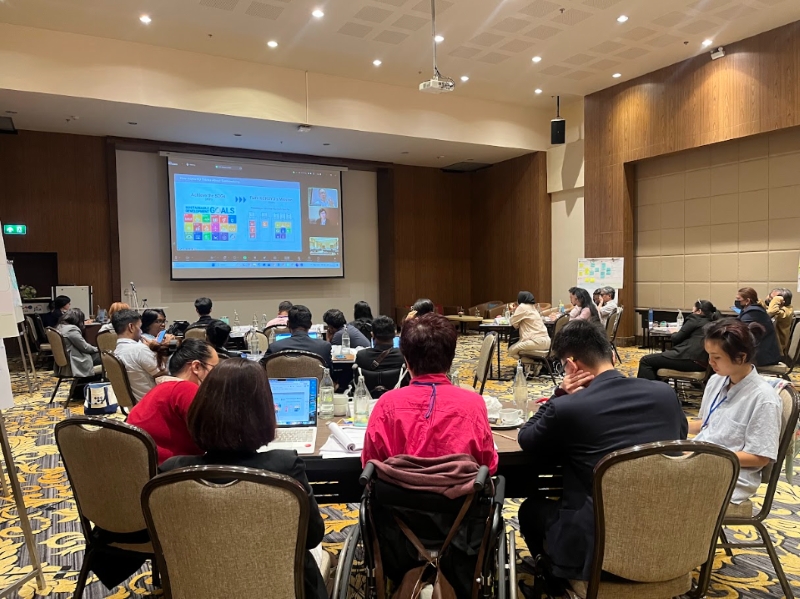
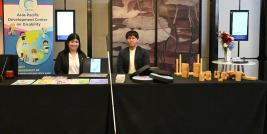
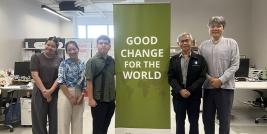
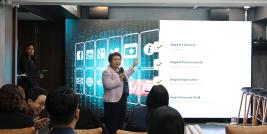
Mr. Yukio Ida of KOKUYO Co., Ltd. shared Japanese good practices and lessons learned in promoting assistive device design bring about workplace inclusion and accessibility.
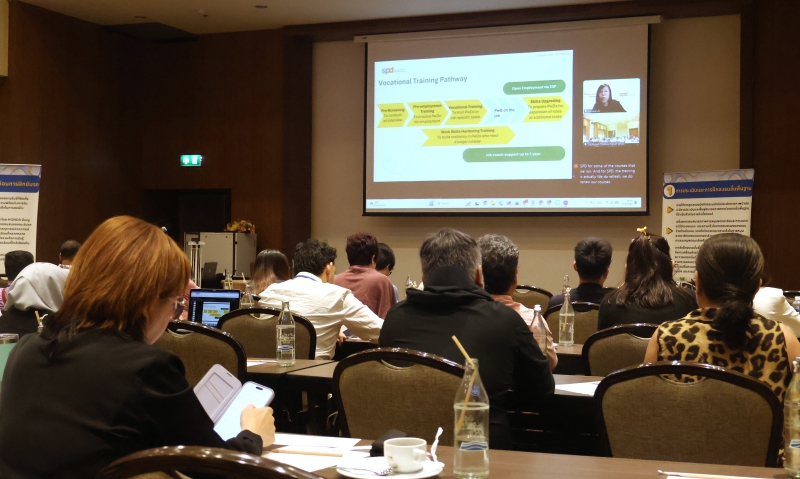
Ms. Lee Hui Lin of SPD Singapore highlighted emerging trends and practical approaches to disability-inclusive employment in Singapore.
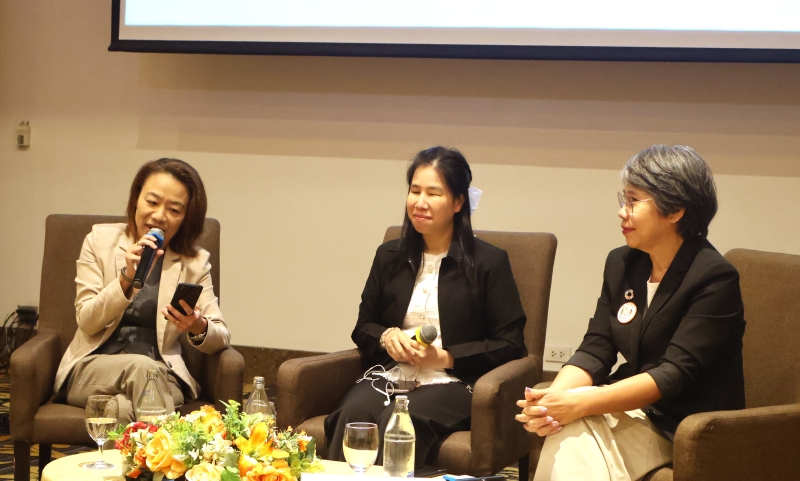
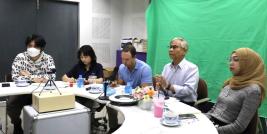
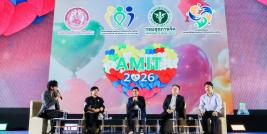
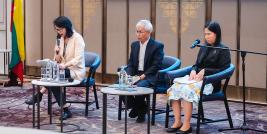
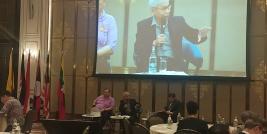
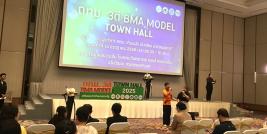
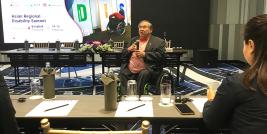
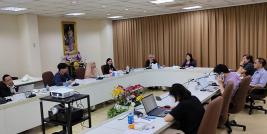
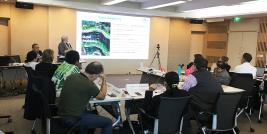
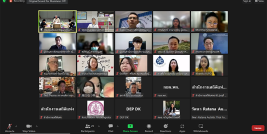
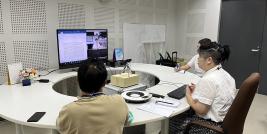
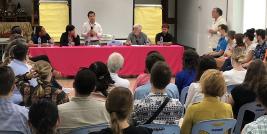
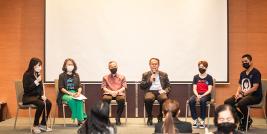
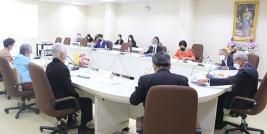
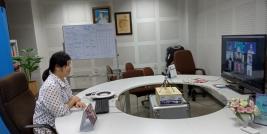
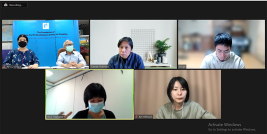
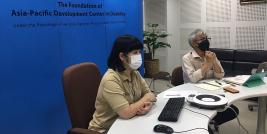
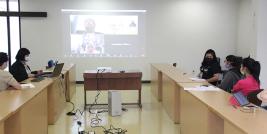
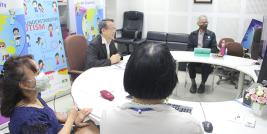
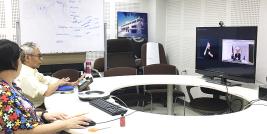
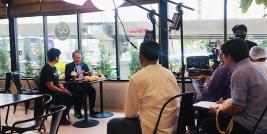
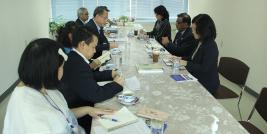
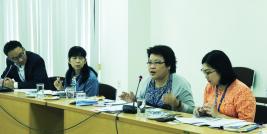
Panelists from Department and Empowerment of Persons with Disabilities and Social Innovation Foundation explored Thailand’s DIEB movement and discussed the roles of government, businesses, and civil society in advancing inclusive employment.
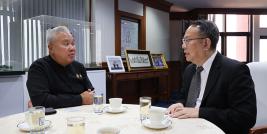
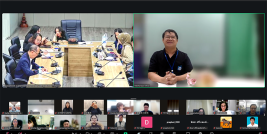
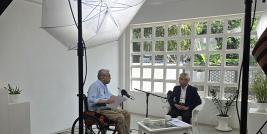
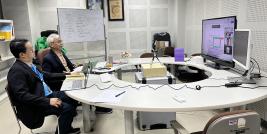
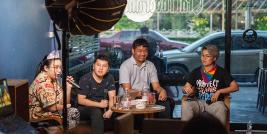
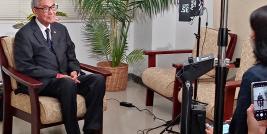
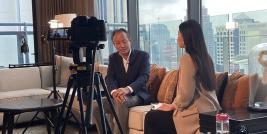
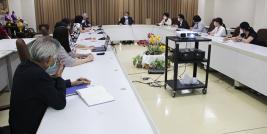
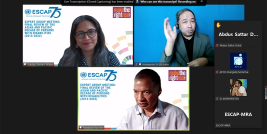
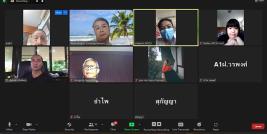
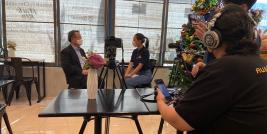
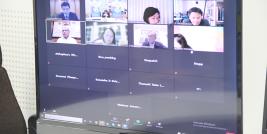
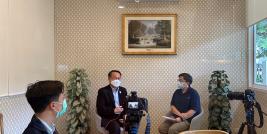
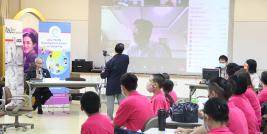
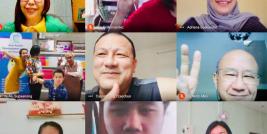
Guest speakers and moderators exchanged experiences on job coaching, multi-stakeholder collaboration, and inclusive employment initiatives in Thailand.
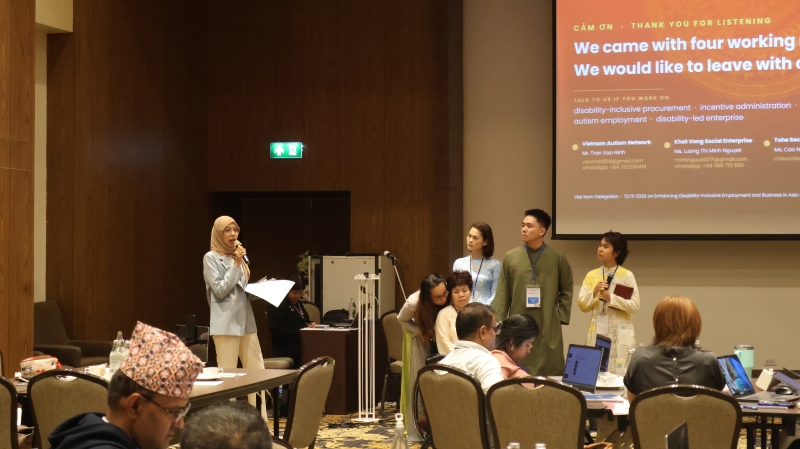
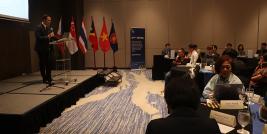
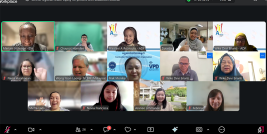
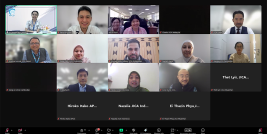
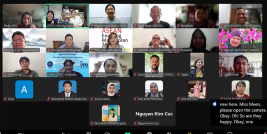
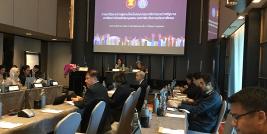
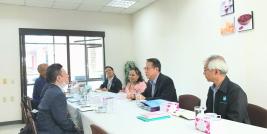
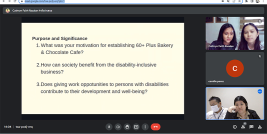
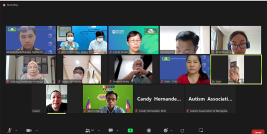
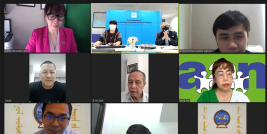
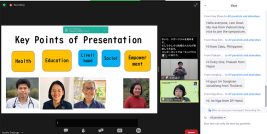
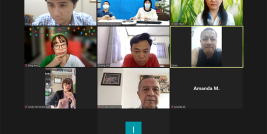
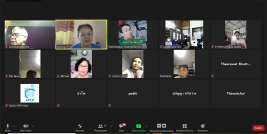
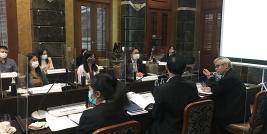
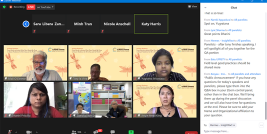
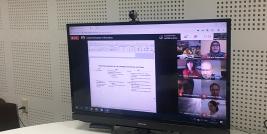
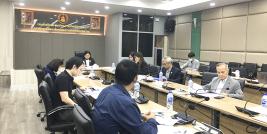
Vietnamese delegates presented their country report and shared national challenges, achievements, and opportunities related to DIEB.
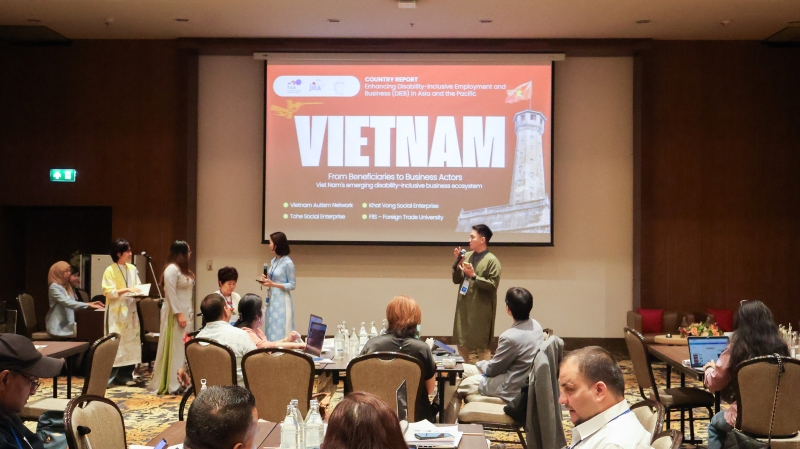
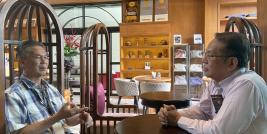
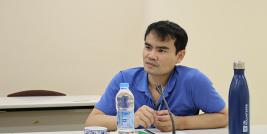
Mr. Tran Van Ninh actively contributed to discussions by sharing practical experiences and responding to participants’ questions.
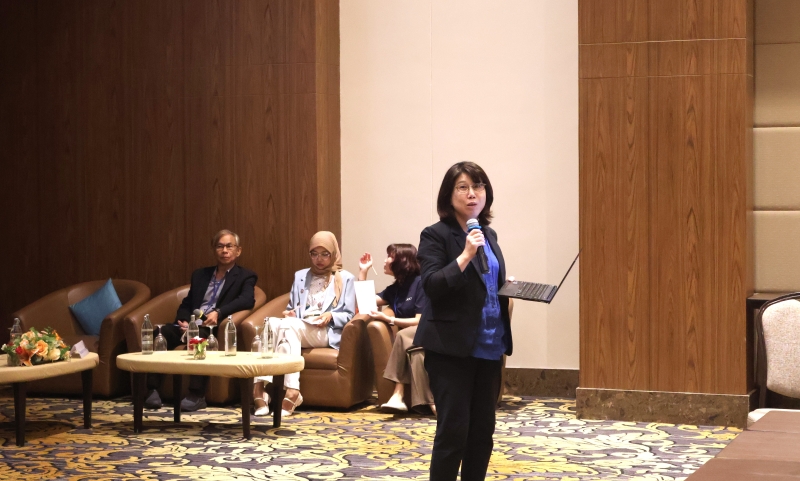
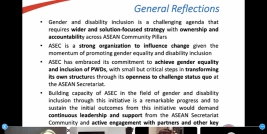
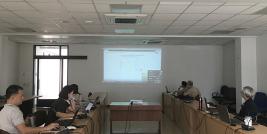
Ms. Maho Harada of JICA Headquarters provided expert reflections and constructive feedback during the Country Report Session.
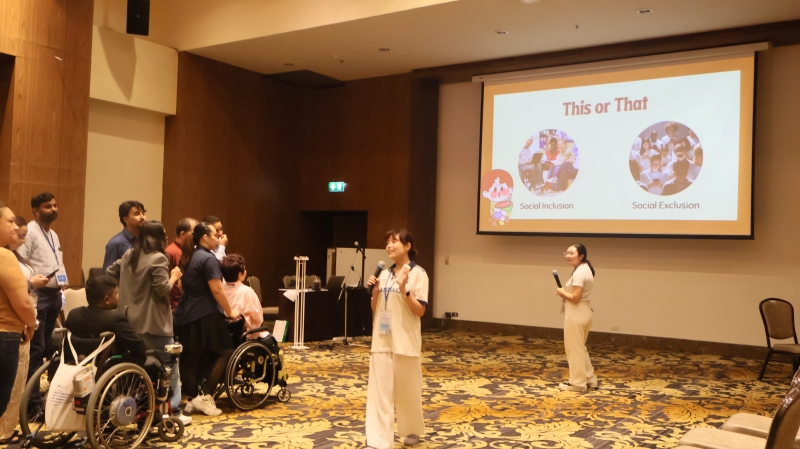
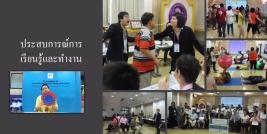
Ms. Thorfan Dechachainimit facilitated a learning reflection session, helping participants translate key concepts into practical actions.
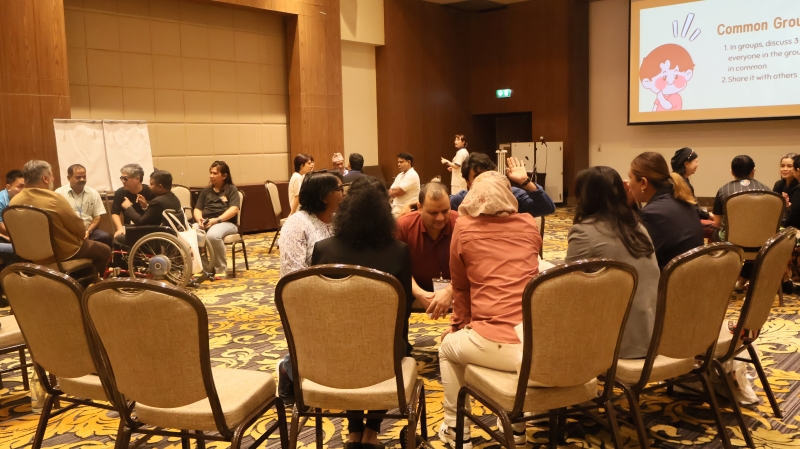
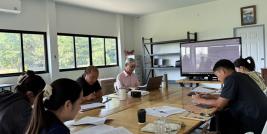
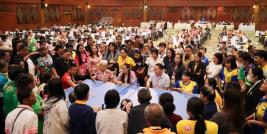
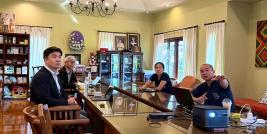
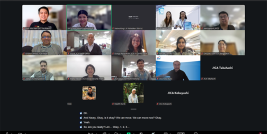
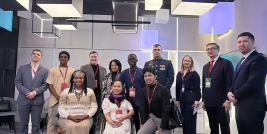
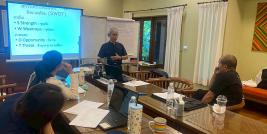
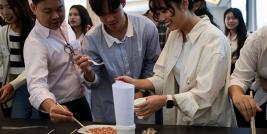
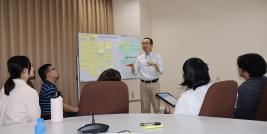
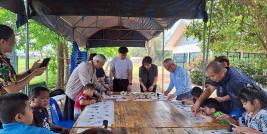
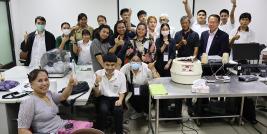
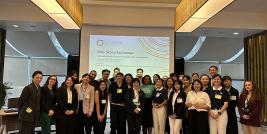
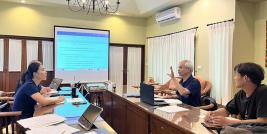
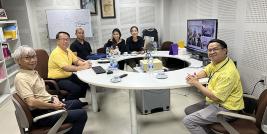
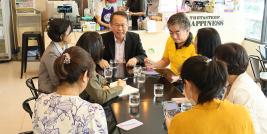
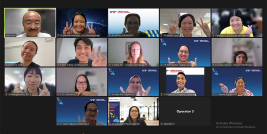
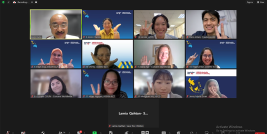
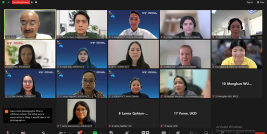
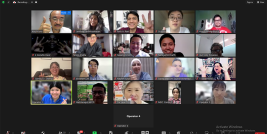
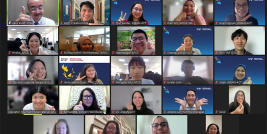
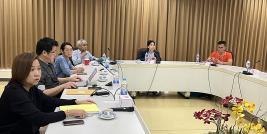
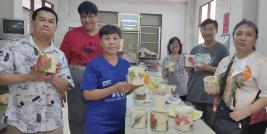
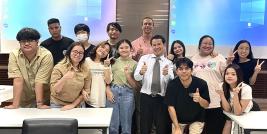
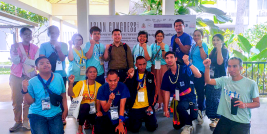
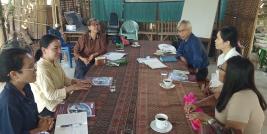
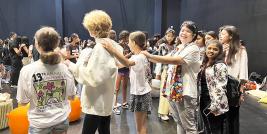
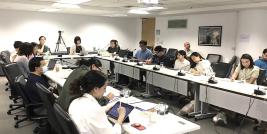
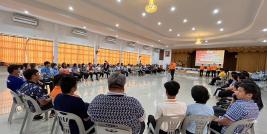
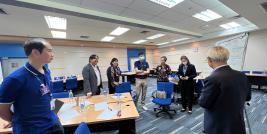
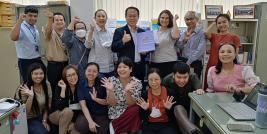
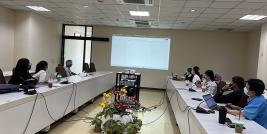
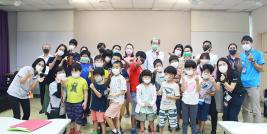
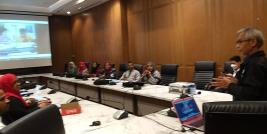
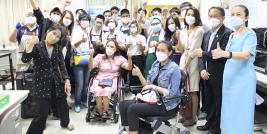
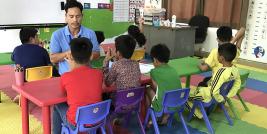
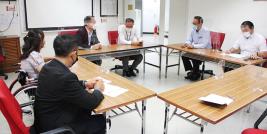
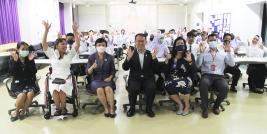
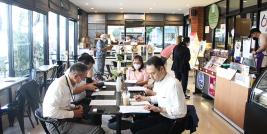
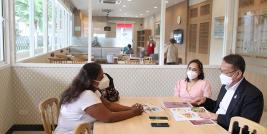
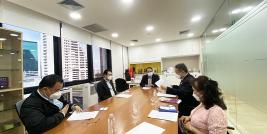
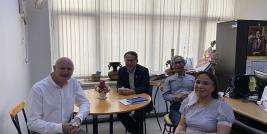
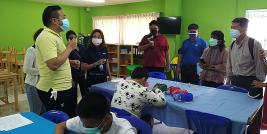
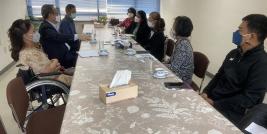
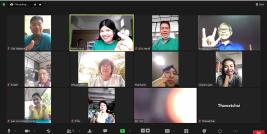
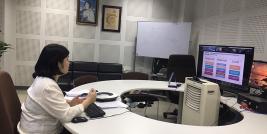
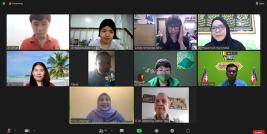
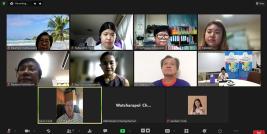
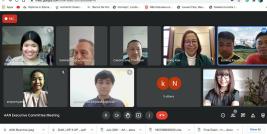
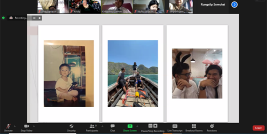
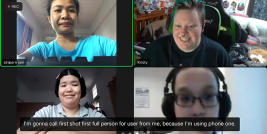
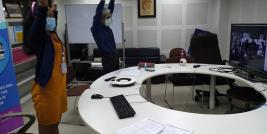
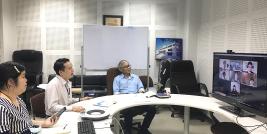
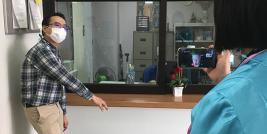
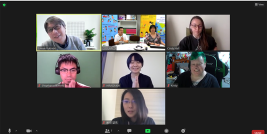
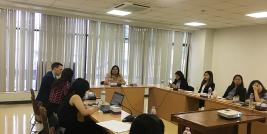
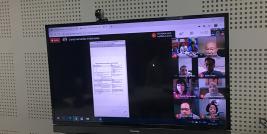
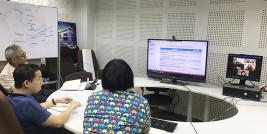
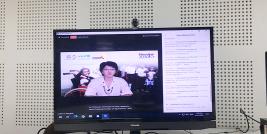
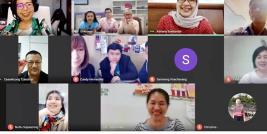
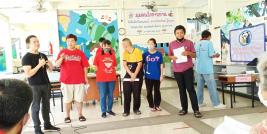
Participants from different countries collaborated in group discussions and role-play exercises to apply DIEB concepts to real-world situations.
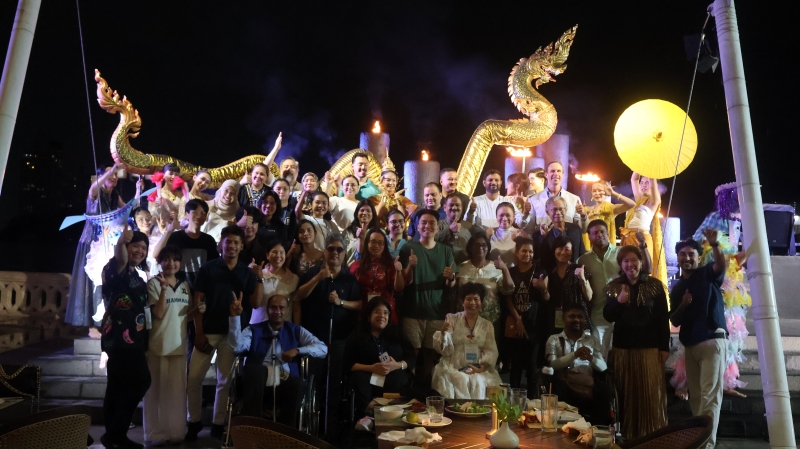
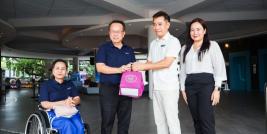
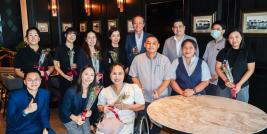
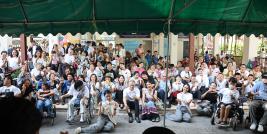
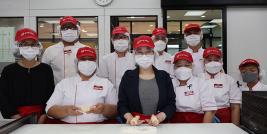
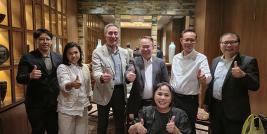
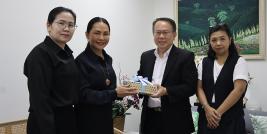
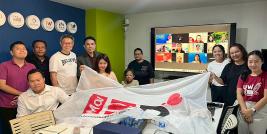
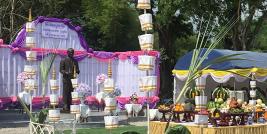
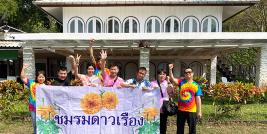
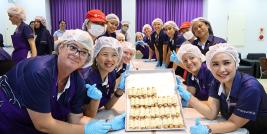
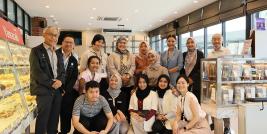
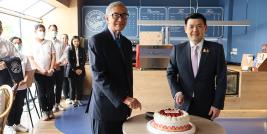
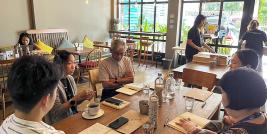
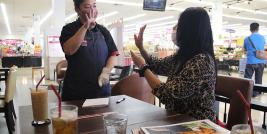
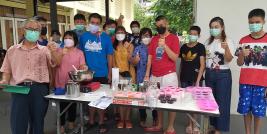
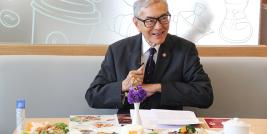
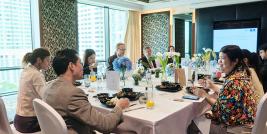
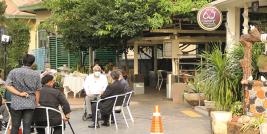
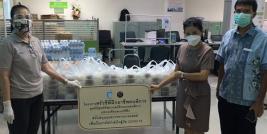
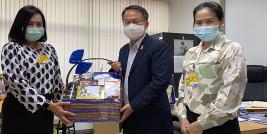
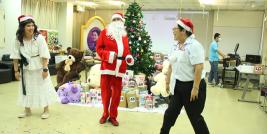
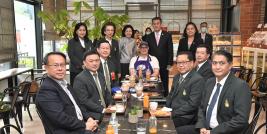
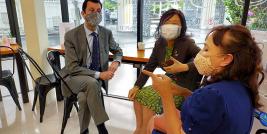
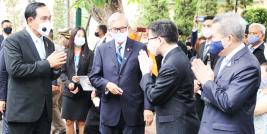
Participants, resource persons, and organizers strengthened regional friendships& diner reception supported by TICA during the networking and cultural exchange evening along the Chao Phraya River.
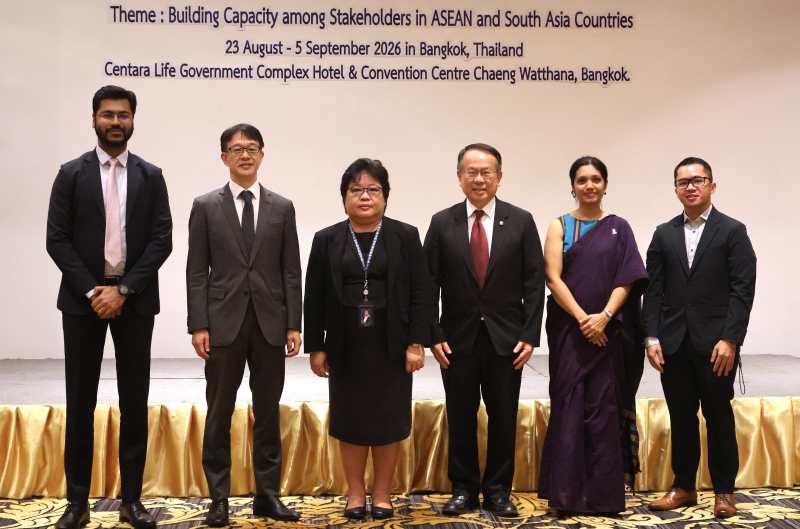
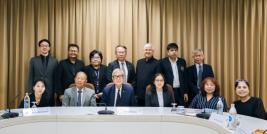
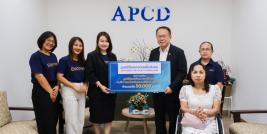
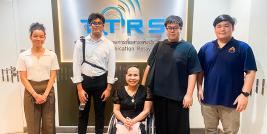
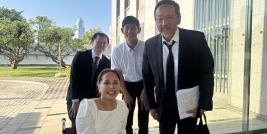
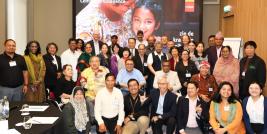
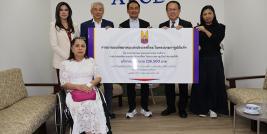
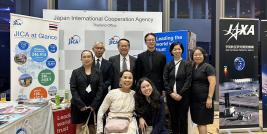
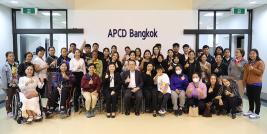
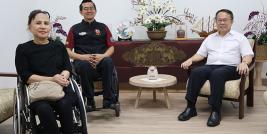
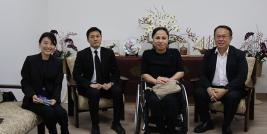
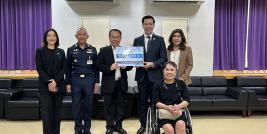
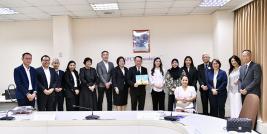
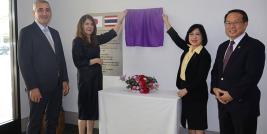
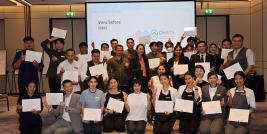
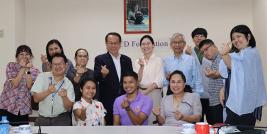
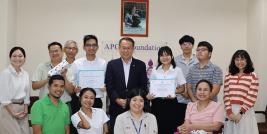
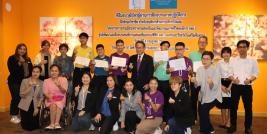
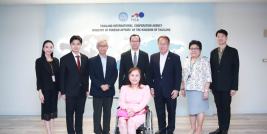
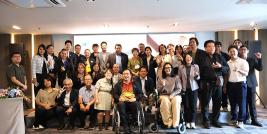
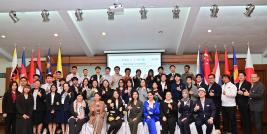
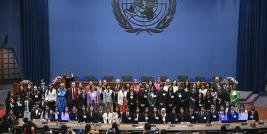
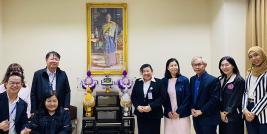
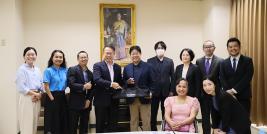
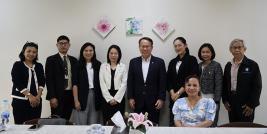
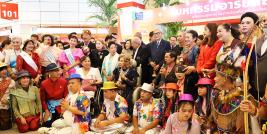
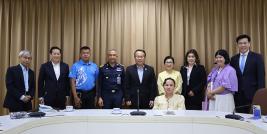
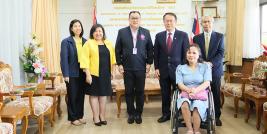
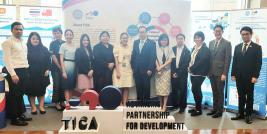
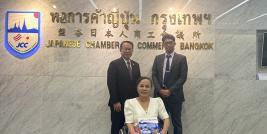
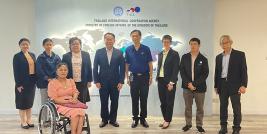
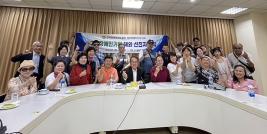
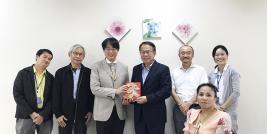
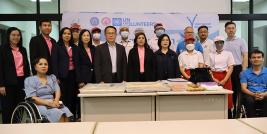
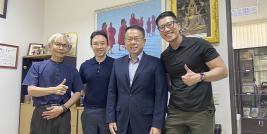
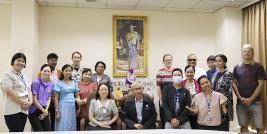
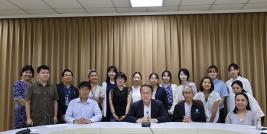
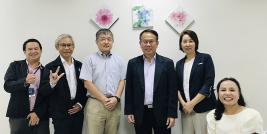
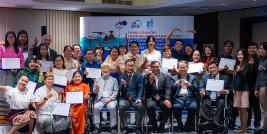
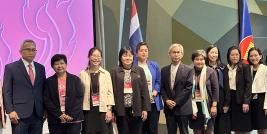
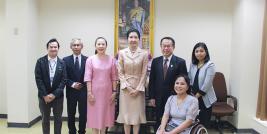
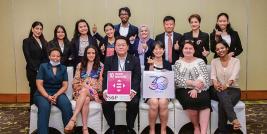
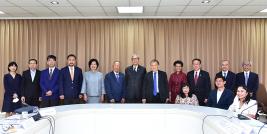
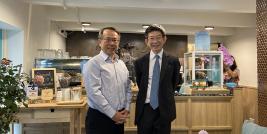
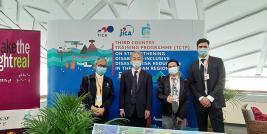
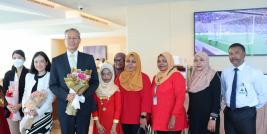
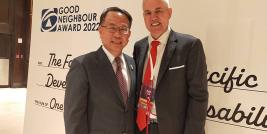
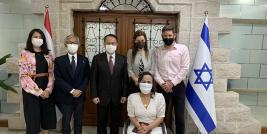
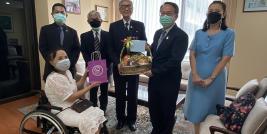
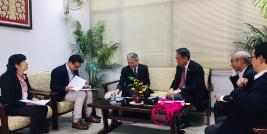
A Group photo of participants, ambassador representatives from India, Philippines and Sri Lanka, TICA, JICA and APCD representatives.
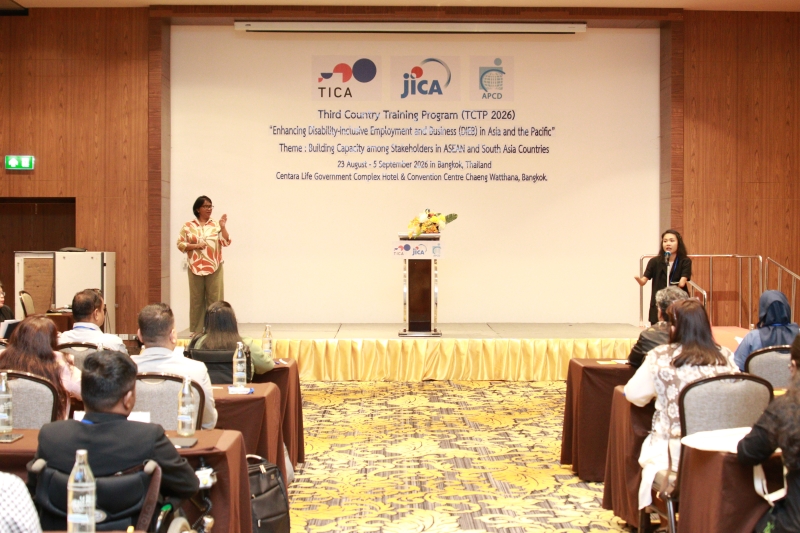
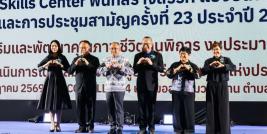
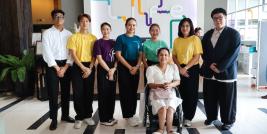
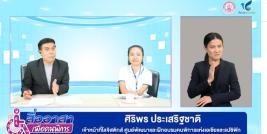
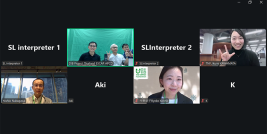
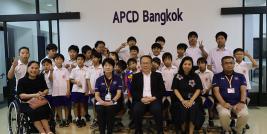
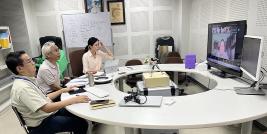
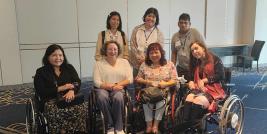
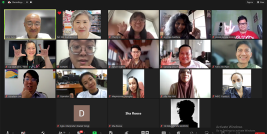
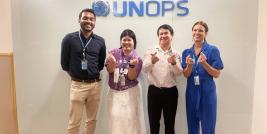
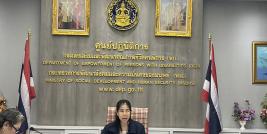
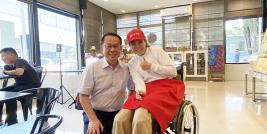
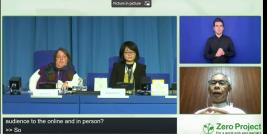
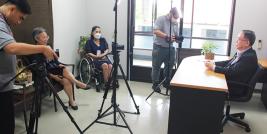
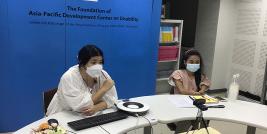
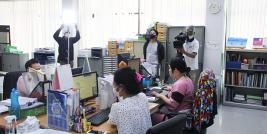
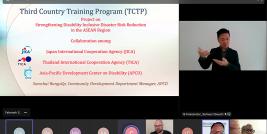
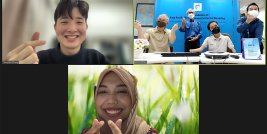
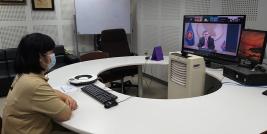
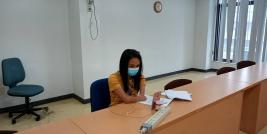
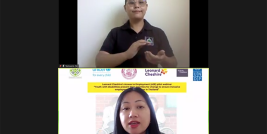
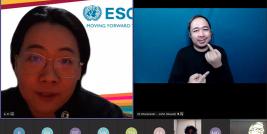
Ms. Siriporn Praserdchat and sign language interpreters ensured accessible communication throughout the opening ceremony and training program.
TCTP 2026 Advanced Disability-Inclusive Employment and Business in Asia and the Pacific
The Third Country Training Program (TCTP) 2026 course, “Enhancing Disability-Inclusive Employment and Business (DIEB) in Asia and the Pacific,” brought together 32 participants with and without disabilities including their personal assistant (PA) from Indonesia, the Philippines, Thailand, Viet Nam, India, Nepal, and Sri Lanka. The program took place in Bangkok from 23 August to 5 September 2026. The Asia-Pacific Development Center on Disability (APCD) delivered the course in cooperation with the Thailand International Cooperation Agency (TICA) and the Japan International Cooperation Agency (JICA).
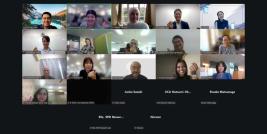
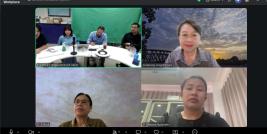
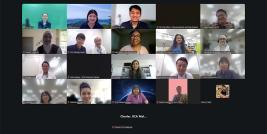
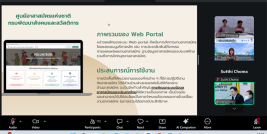
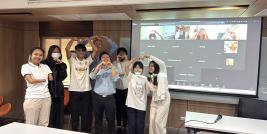
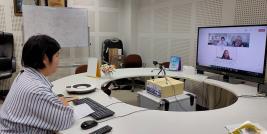
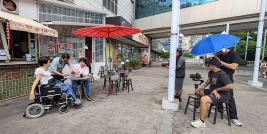
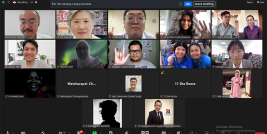
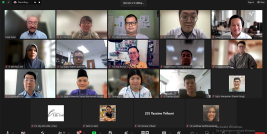
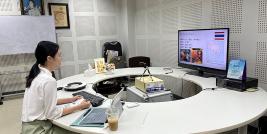
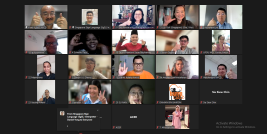
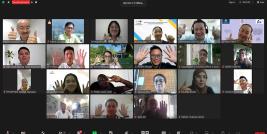
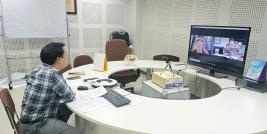
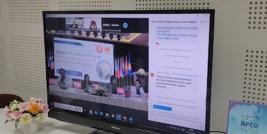
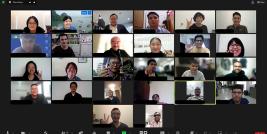
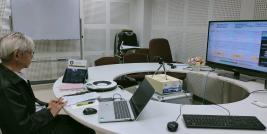
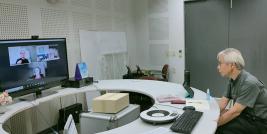
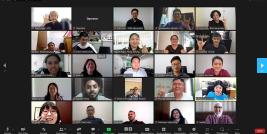
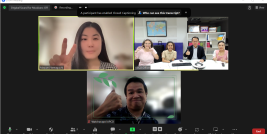
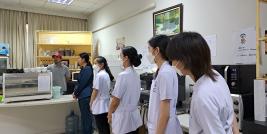
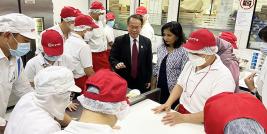
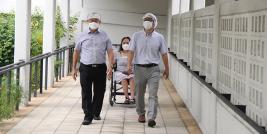
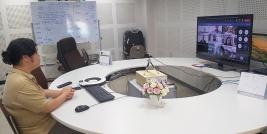
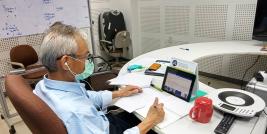
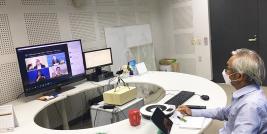
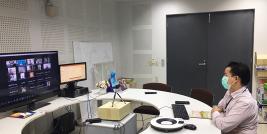
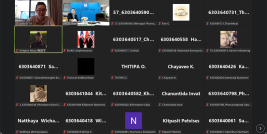
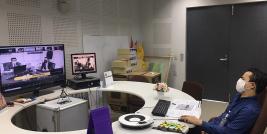
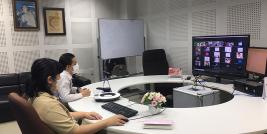
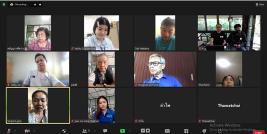
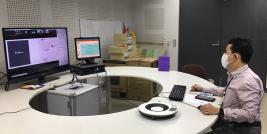
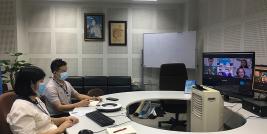
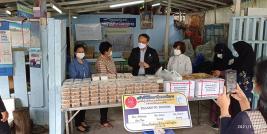
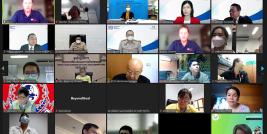
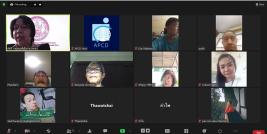
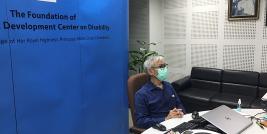
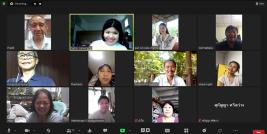
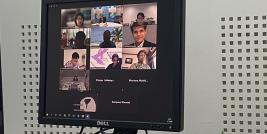
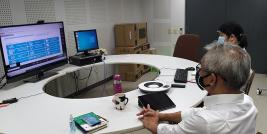
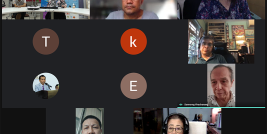
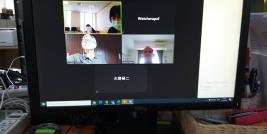
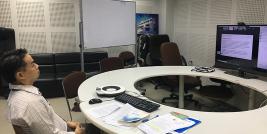
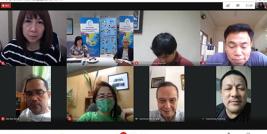
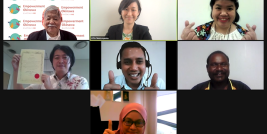
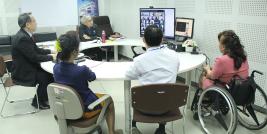
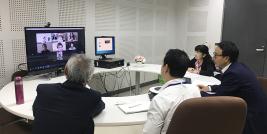
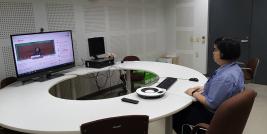
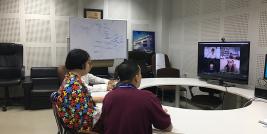
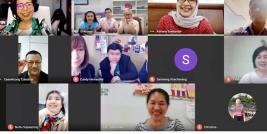
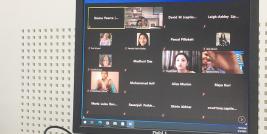
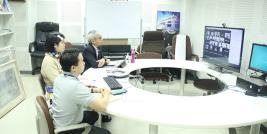
During the first week, participants learned from UN agencies, government bodies, organizations of persons with disabilities, civil society groups, businesses, social enterprises, and experts from Thailand, Japan, USA and Singapore. Through lectures, panel discussions, workshops, hybrid sessions, and field visits, they explored disability rights, inclusive employment, job coaching, workplace accommodation, entrepreneurship, accessibility, mobility, and inclusive business. They also examined Thailand’s DIEB ecosystem and identified how supportive policies, committed leadership, inclusive organizational cultures, and cross-sector partnerships expanded sustainable opportunities for persons with disabilities.
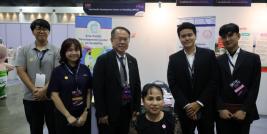
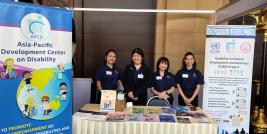
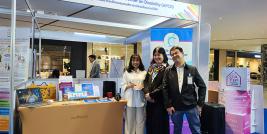
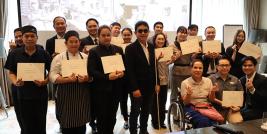
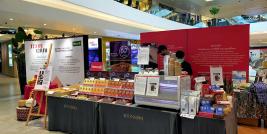
During the second week, Japanese short-term Expert or Independent consultant on DIEB, Ms. Emi Aizawa facilitated Japanese case studies introduced the DIEB pillars of Belief, Enable, Work, and Design. Participants attended a job market fair, explored inclusive design, digital accessibility, artificial intelligence, and business value, and prepared Country Action Plans for their national contexts. Peer exchanges allowed them to compare approaches and identify practical ideas for local adaptation.
Participants left with clear takeaways: meaningful inclusion required designing with persons with disabilities, not for them; sustainable DIEB relied on shared responsibility and strong partnerships; accessibility supported innovation and business growth; and lasting progress depended on realistic action plans, local capacity, evidence, feedback, and consistent follow-up.
- 83 views