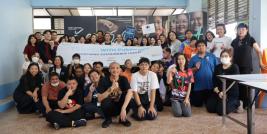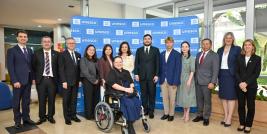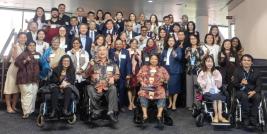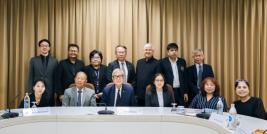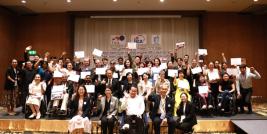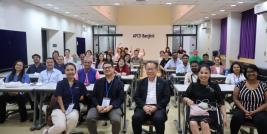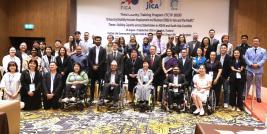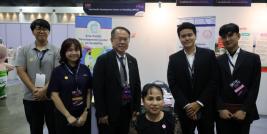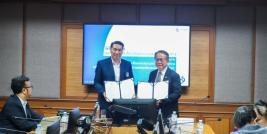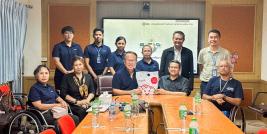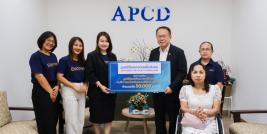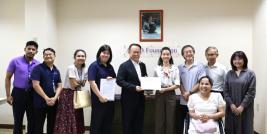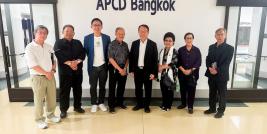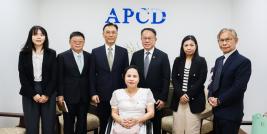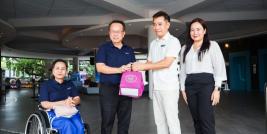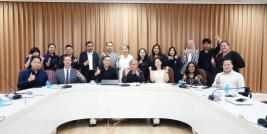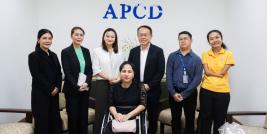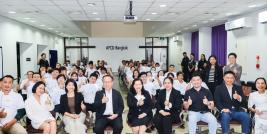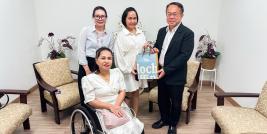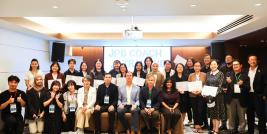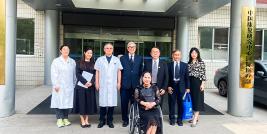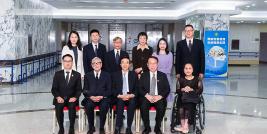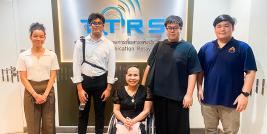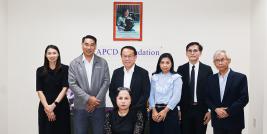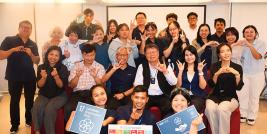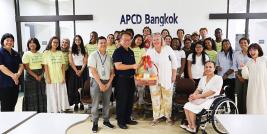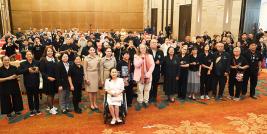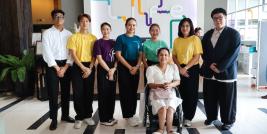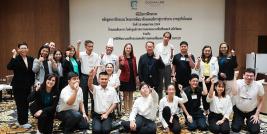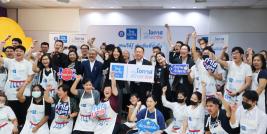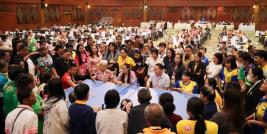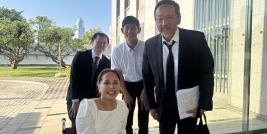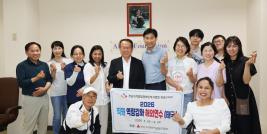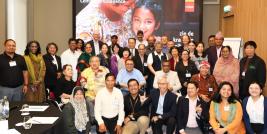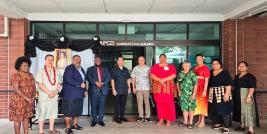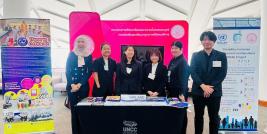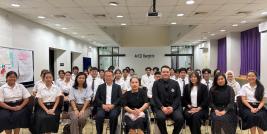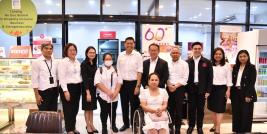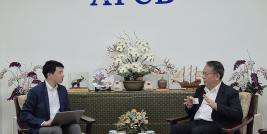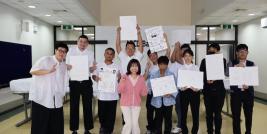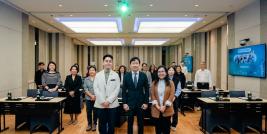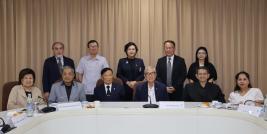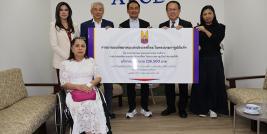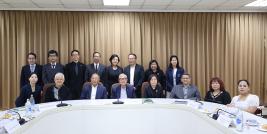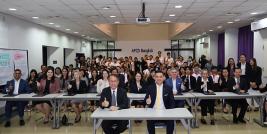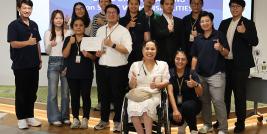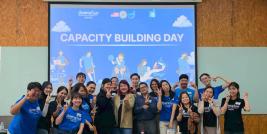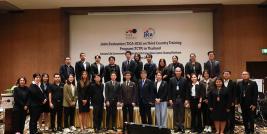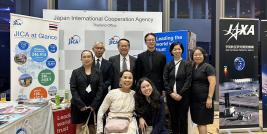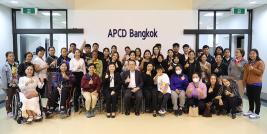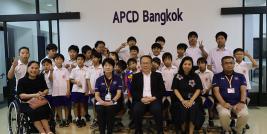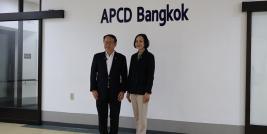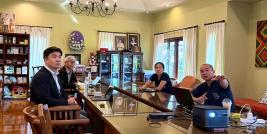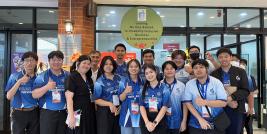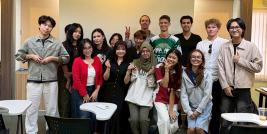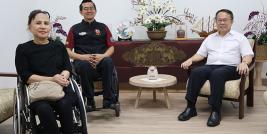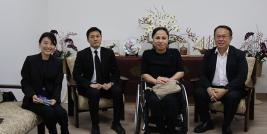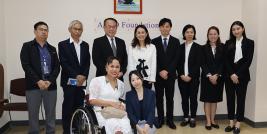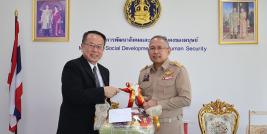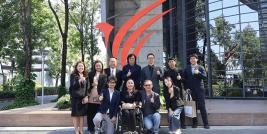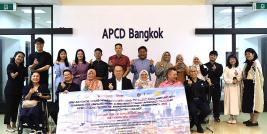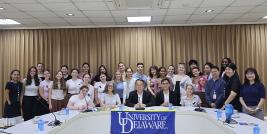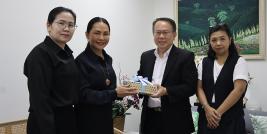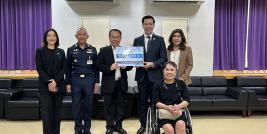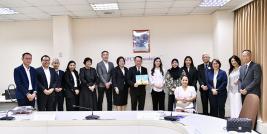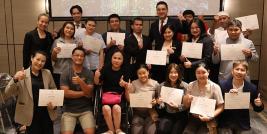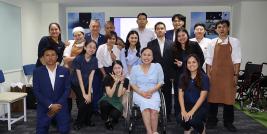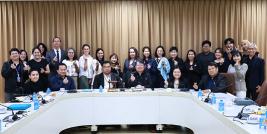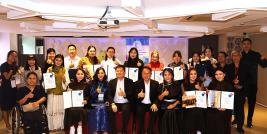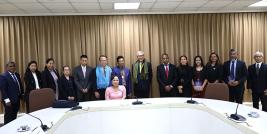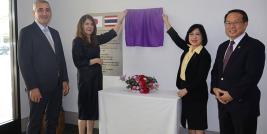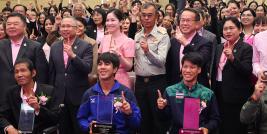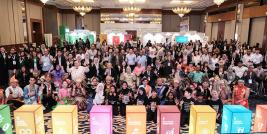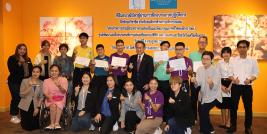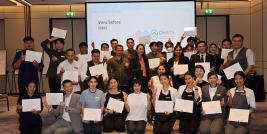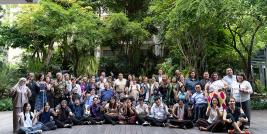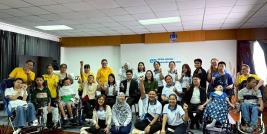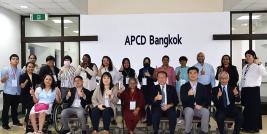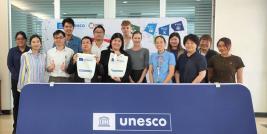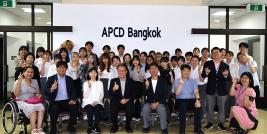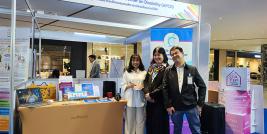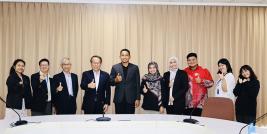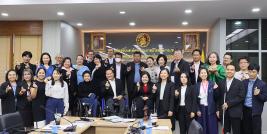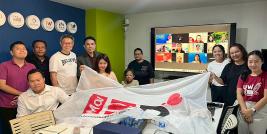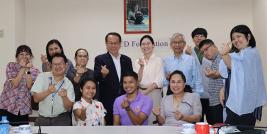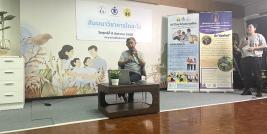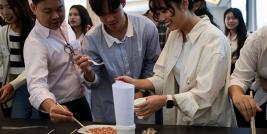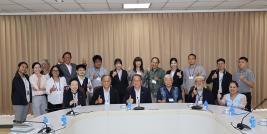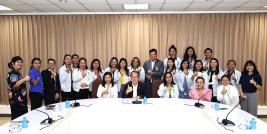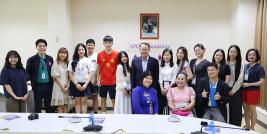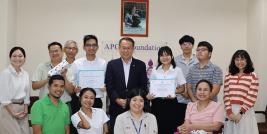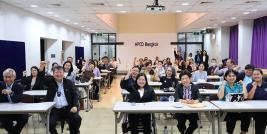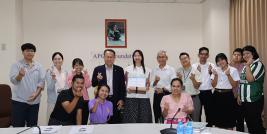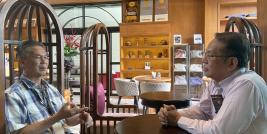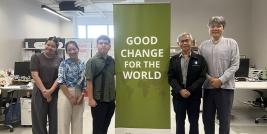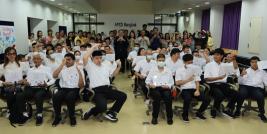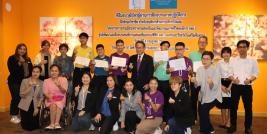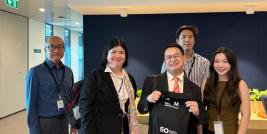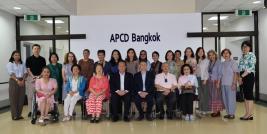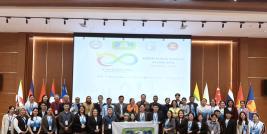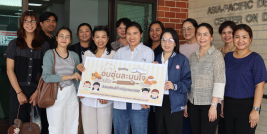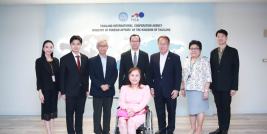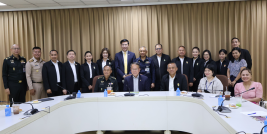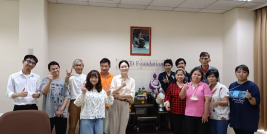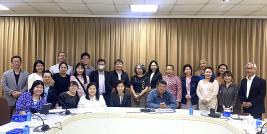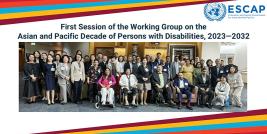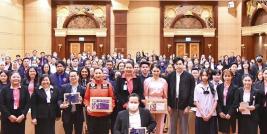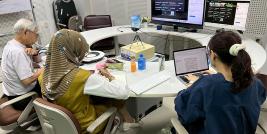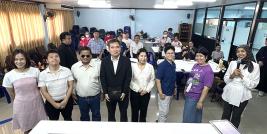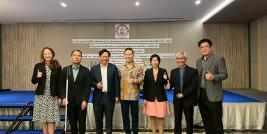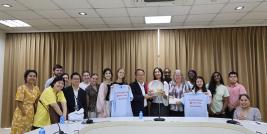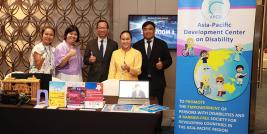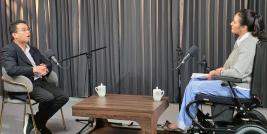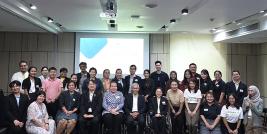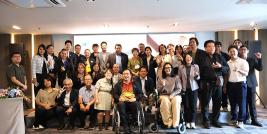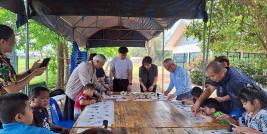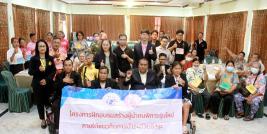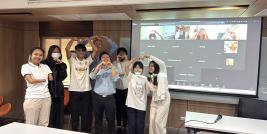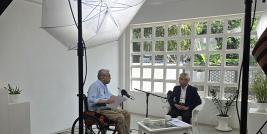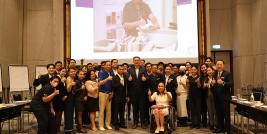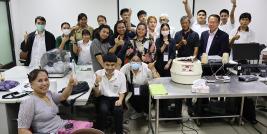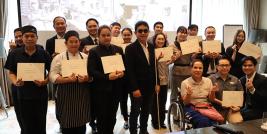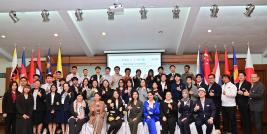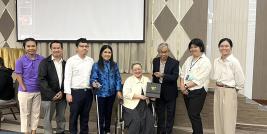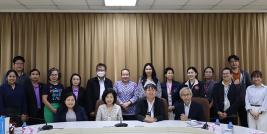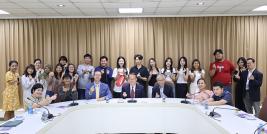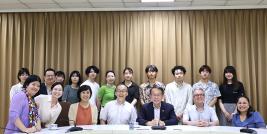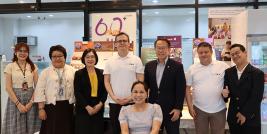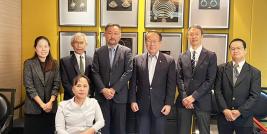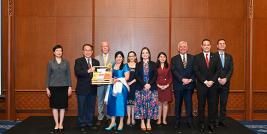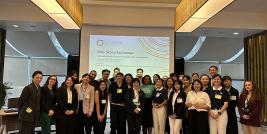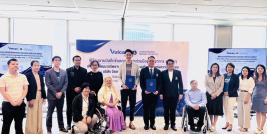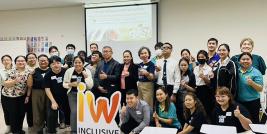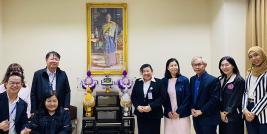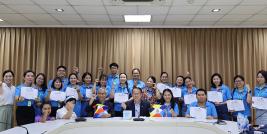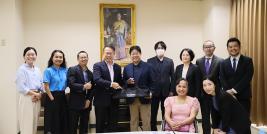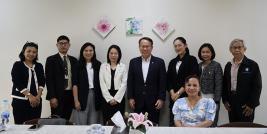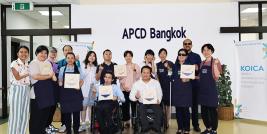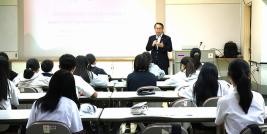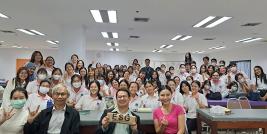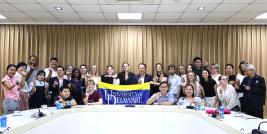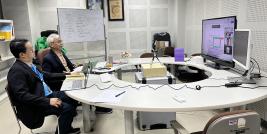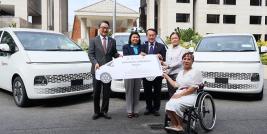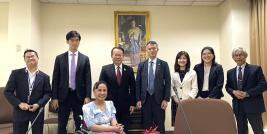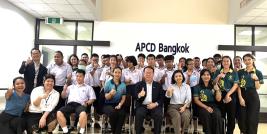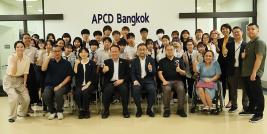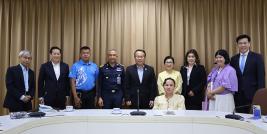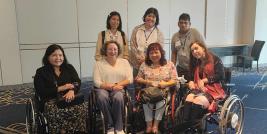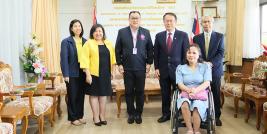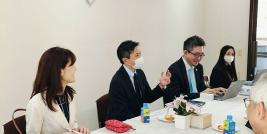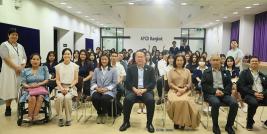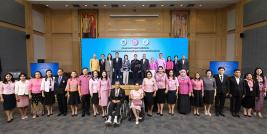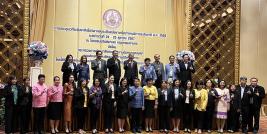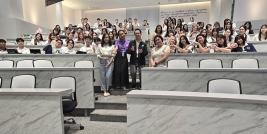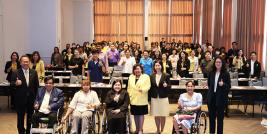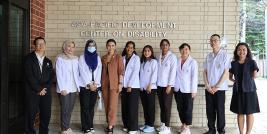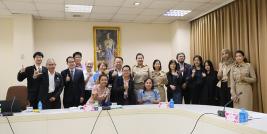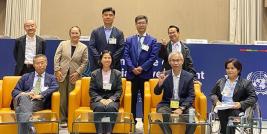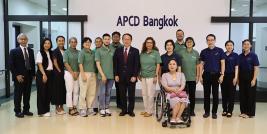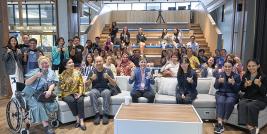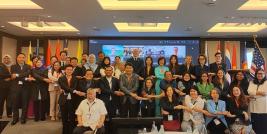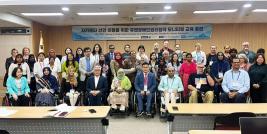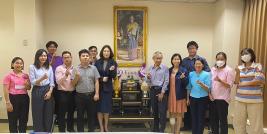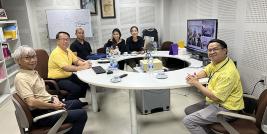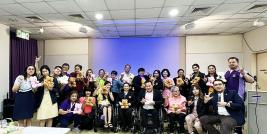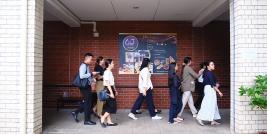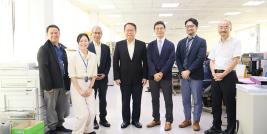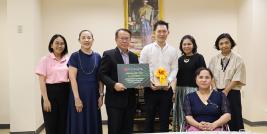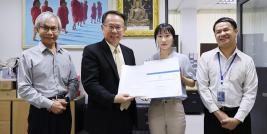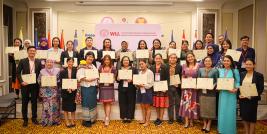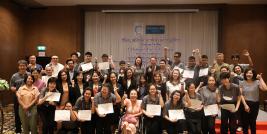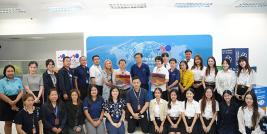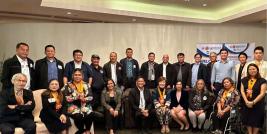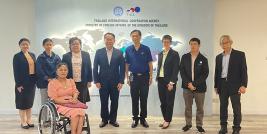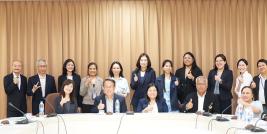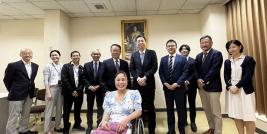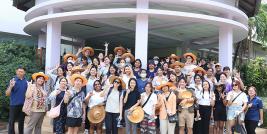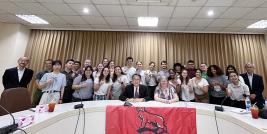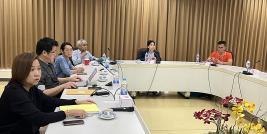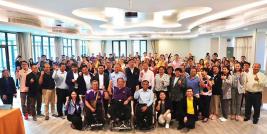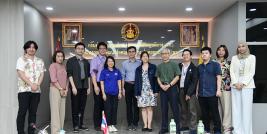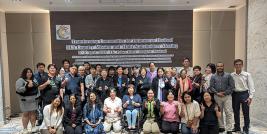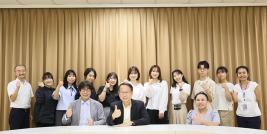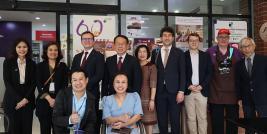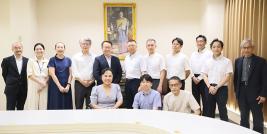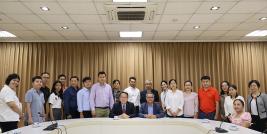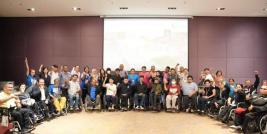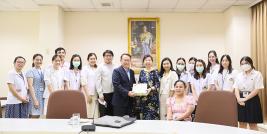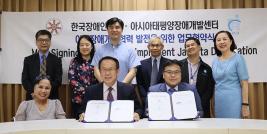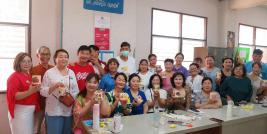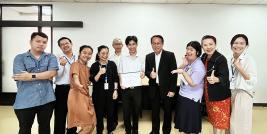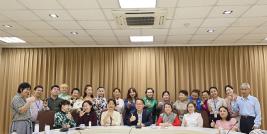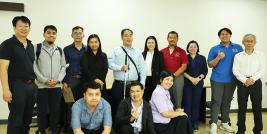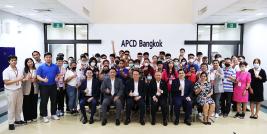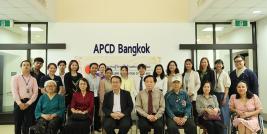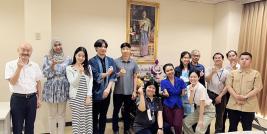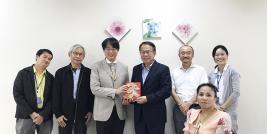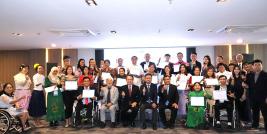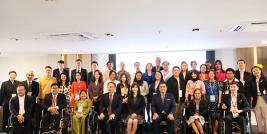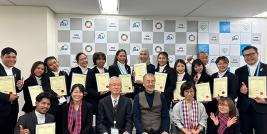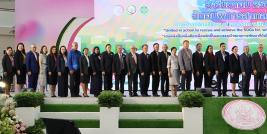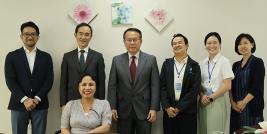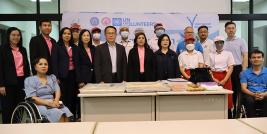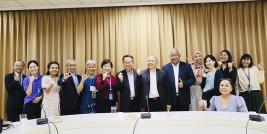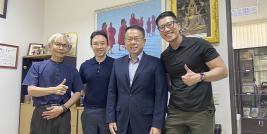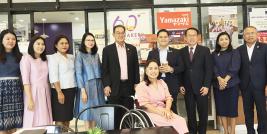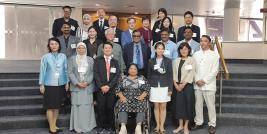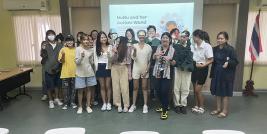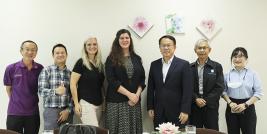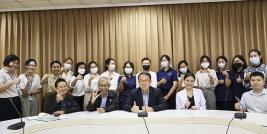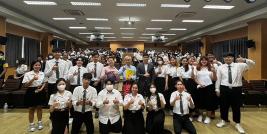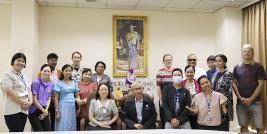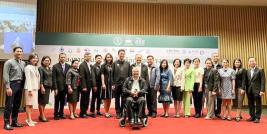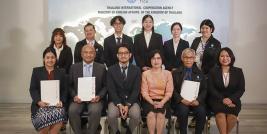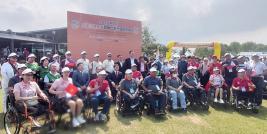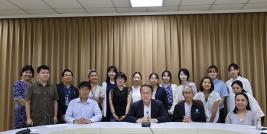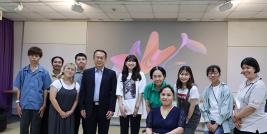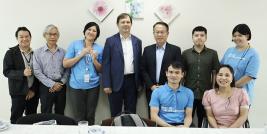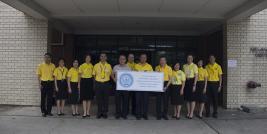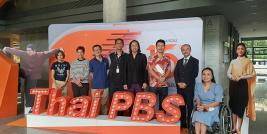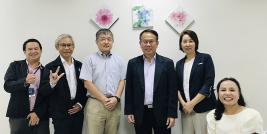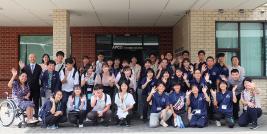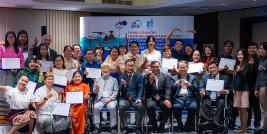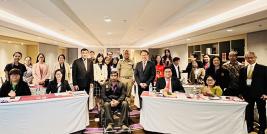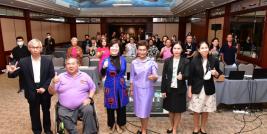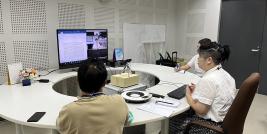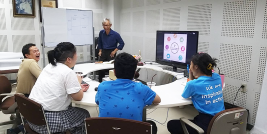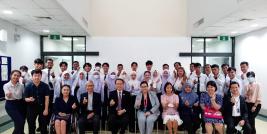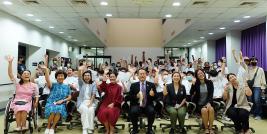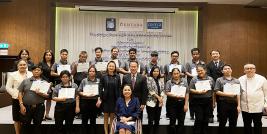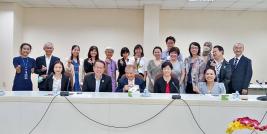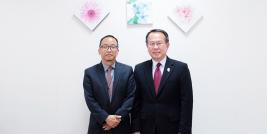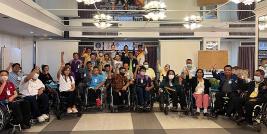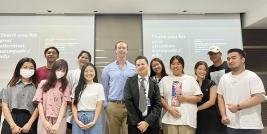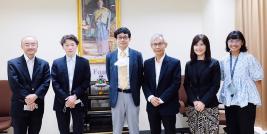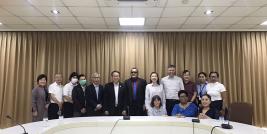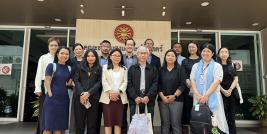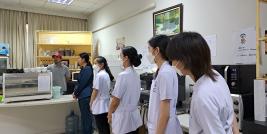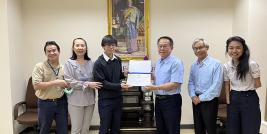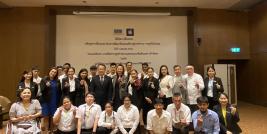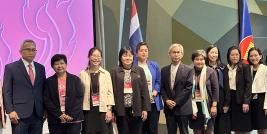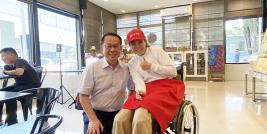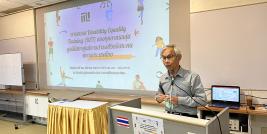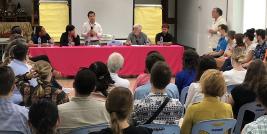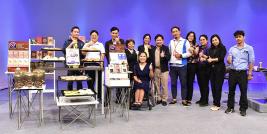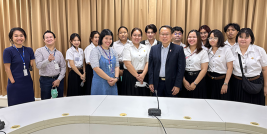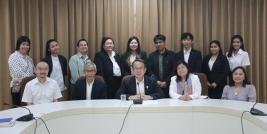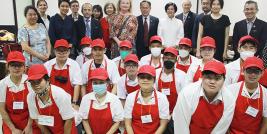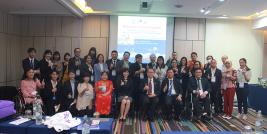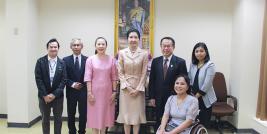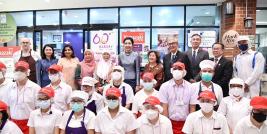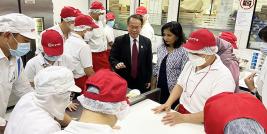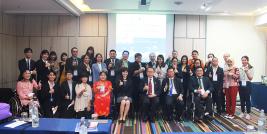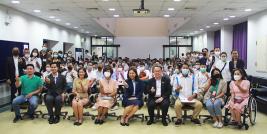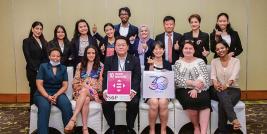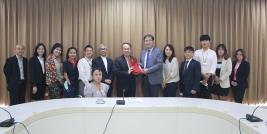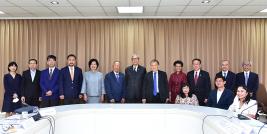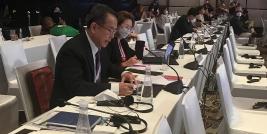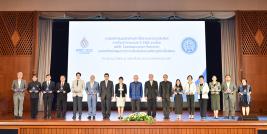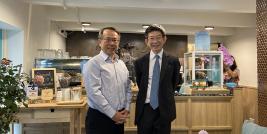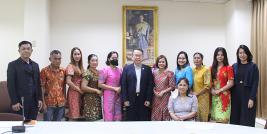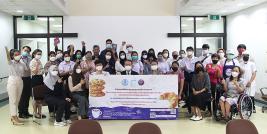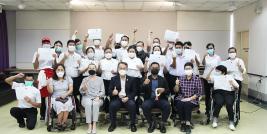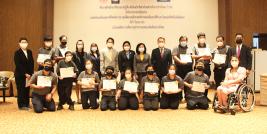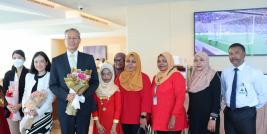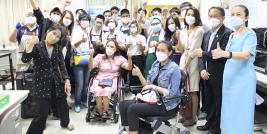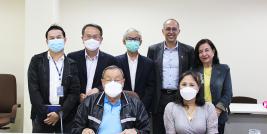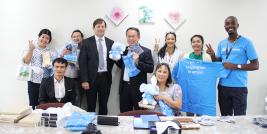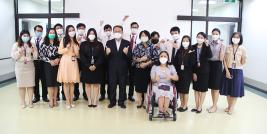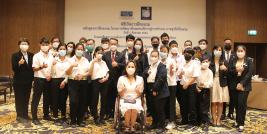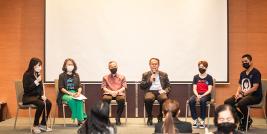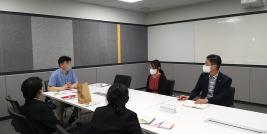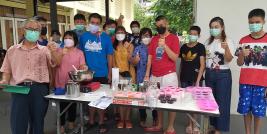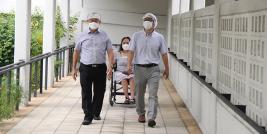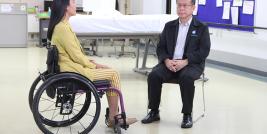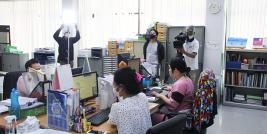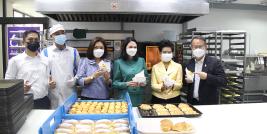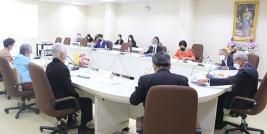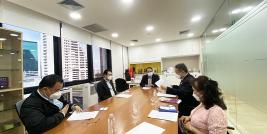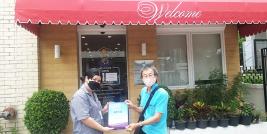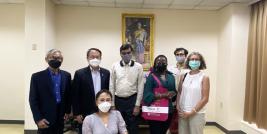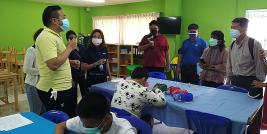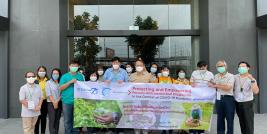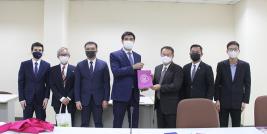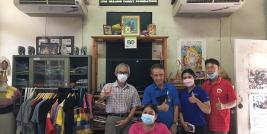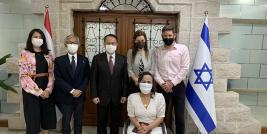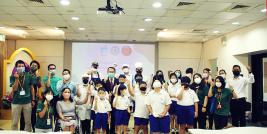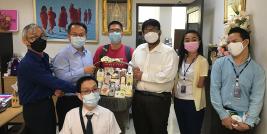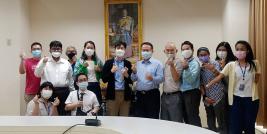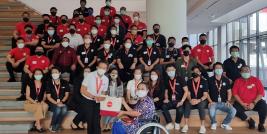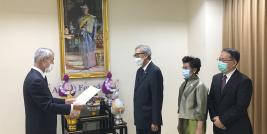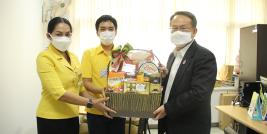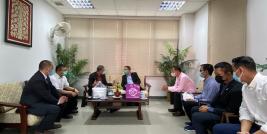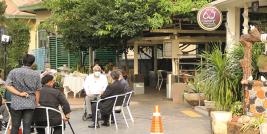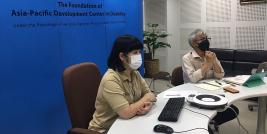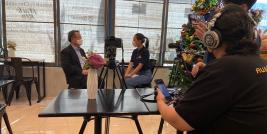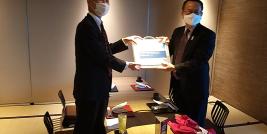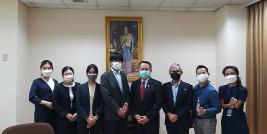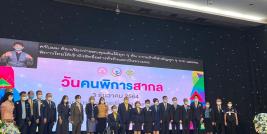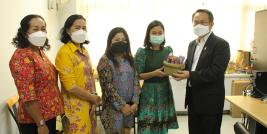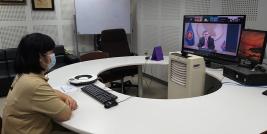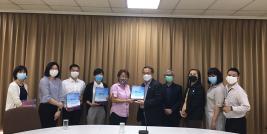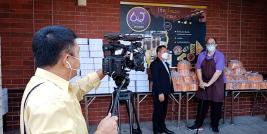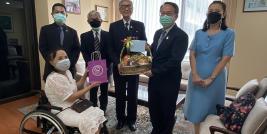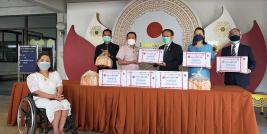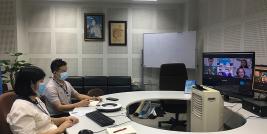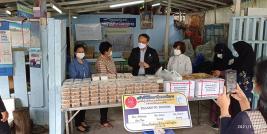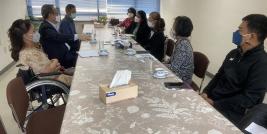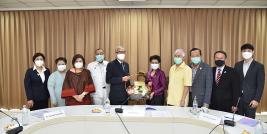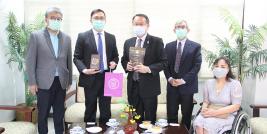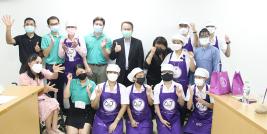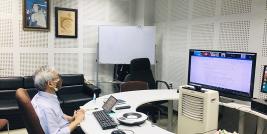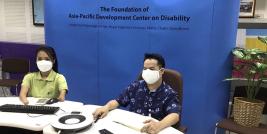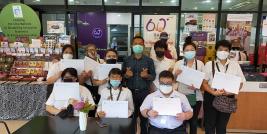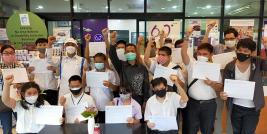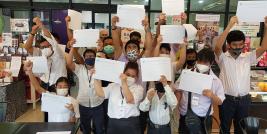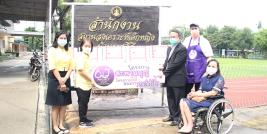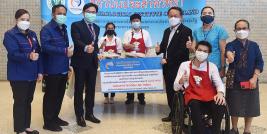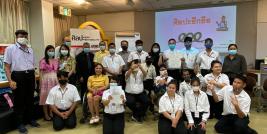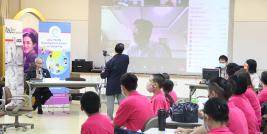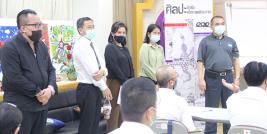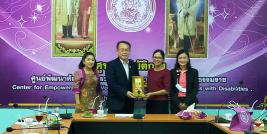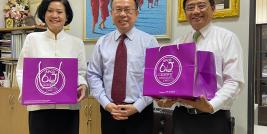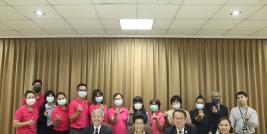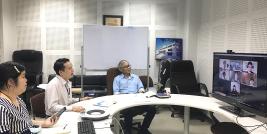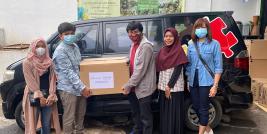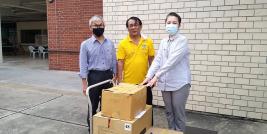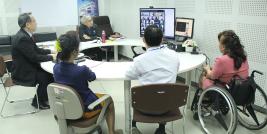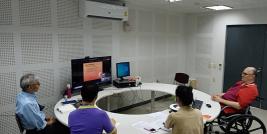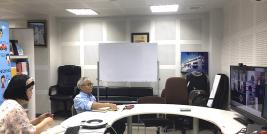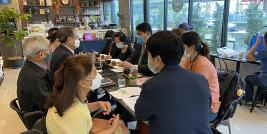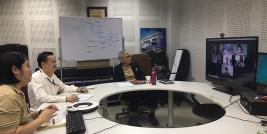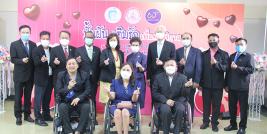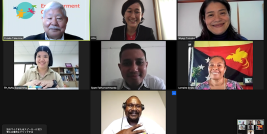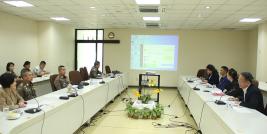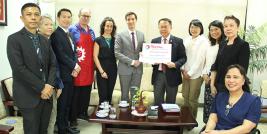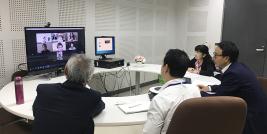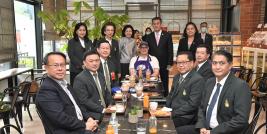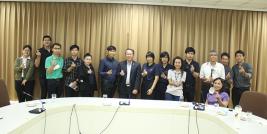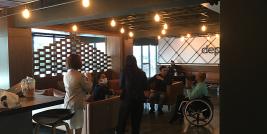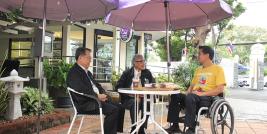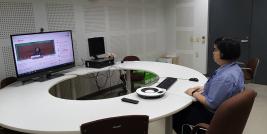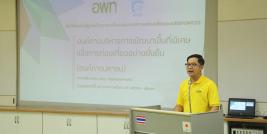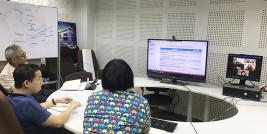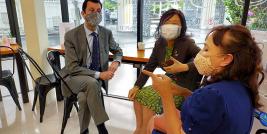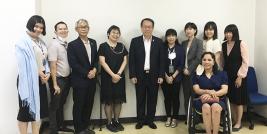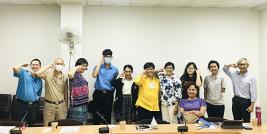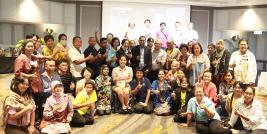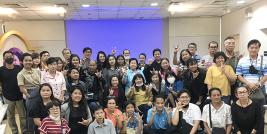



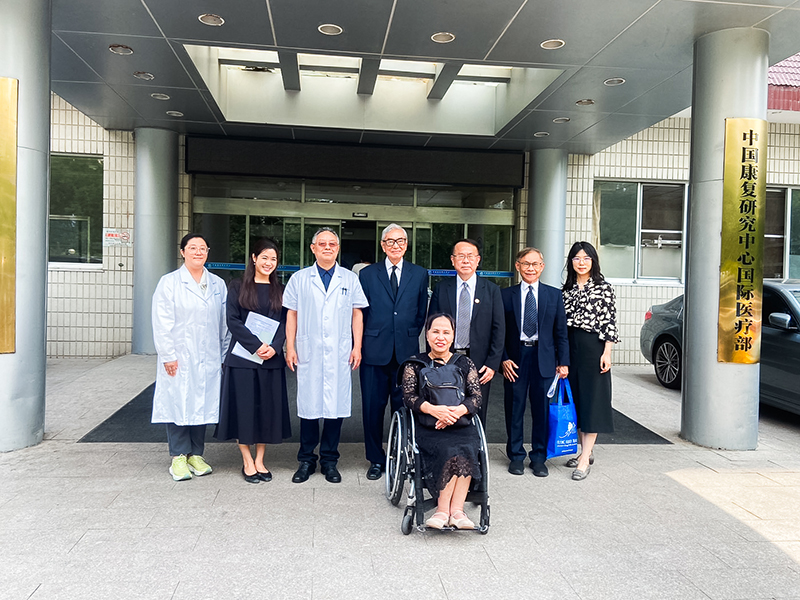
A group photo includes Ms. Prinda Khusakul (second person form the left of the row), Dr. Tej Bunnag (the middle of the row), Mr. Piroon Laismit (third person from the right of the row), Mr. Somchai Rungsilp (second person from the right of the row), and Ms. Nongnuch Maytarjittipun (at front and seated in a wheelchair)
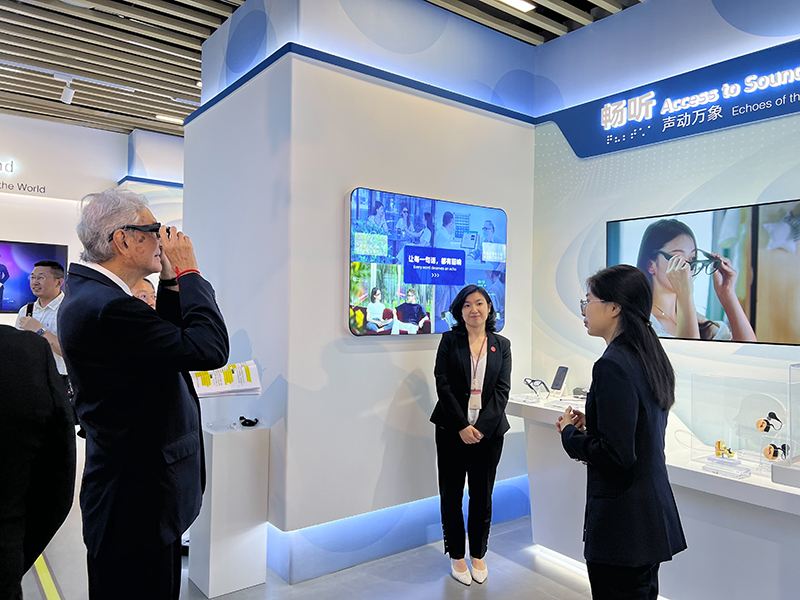
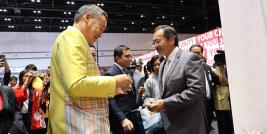
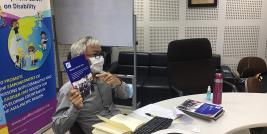
Dr. Tej Bunnag (left) tries on assistive glasses for persons with disabilities
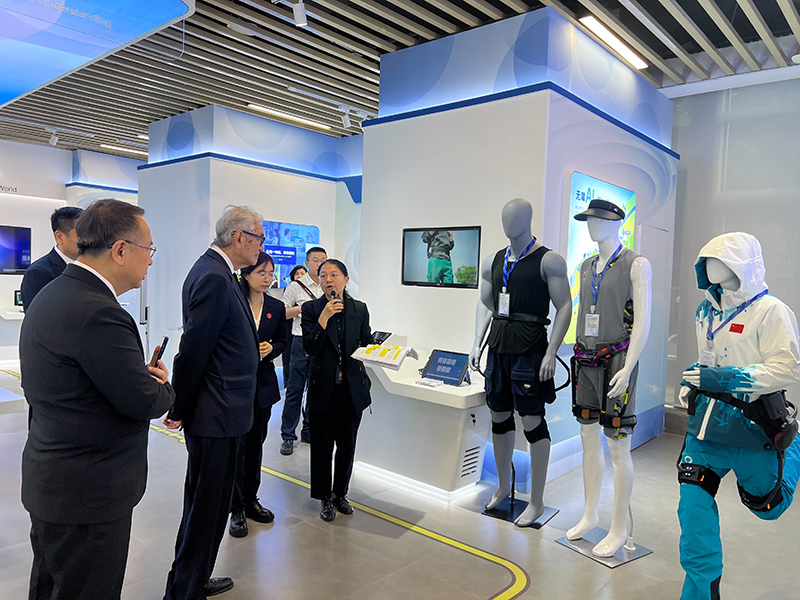
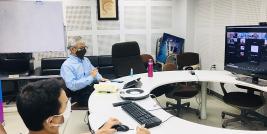
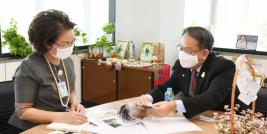
Mr. Piroon Laismit (left) and Dr. Tej Bunnag (in front of Mr. Piroon Laismit) listening to staff providing information about assistive devices for persons with disabilities
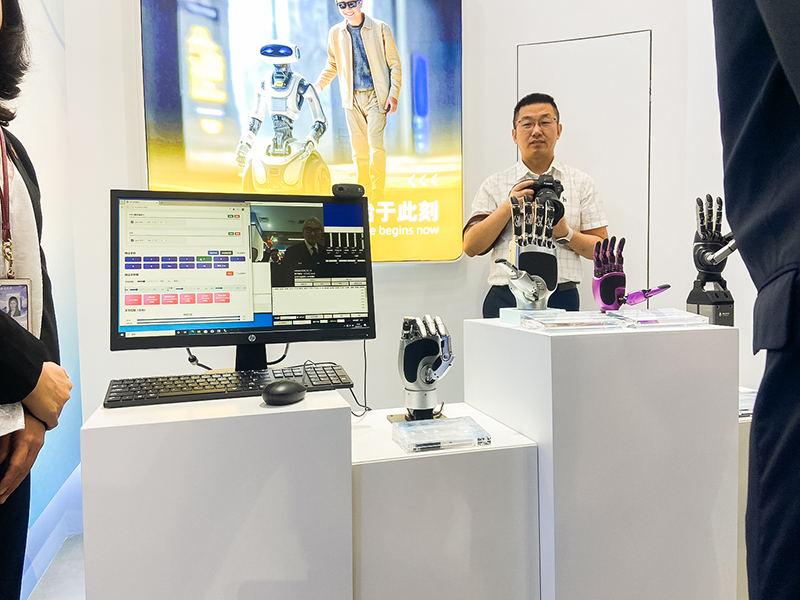
A demonstration of artificial hands for persons with disabilities
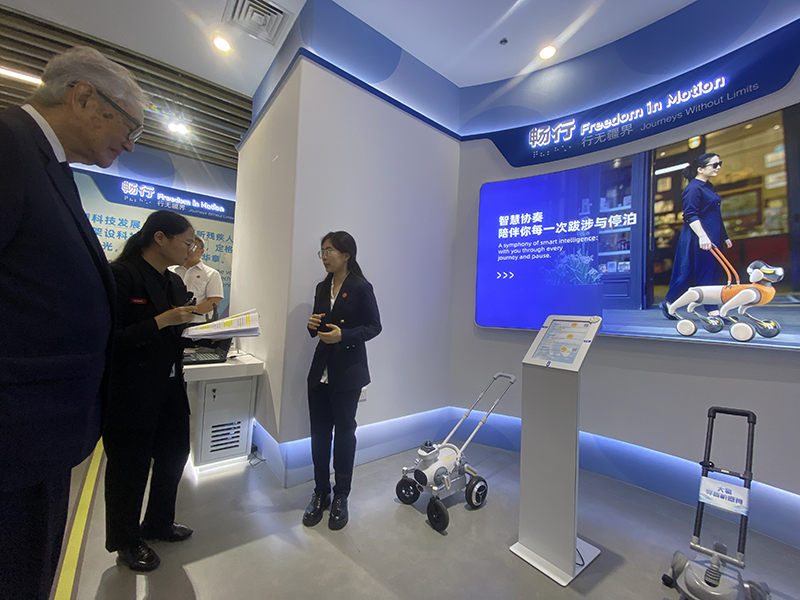
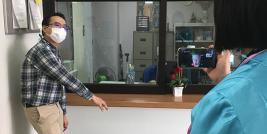
Dr. Tej Bunnag (left) observes a guide robot designed for persons with visual impairments
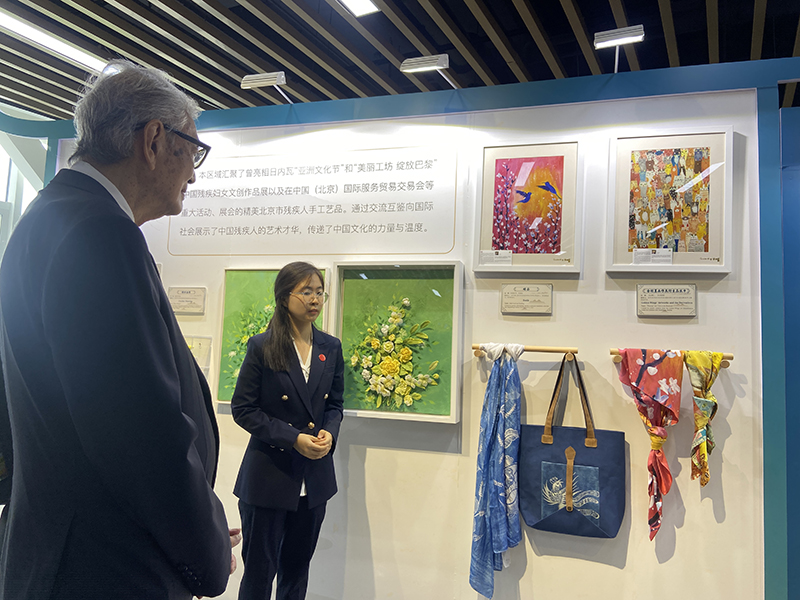
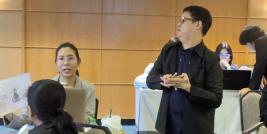
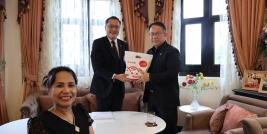
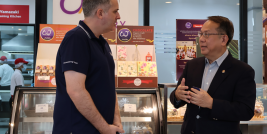
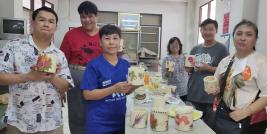
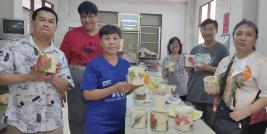
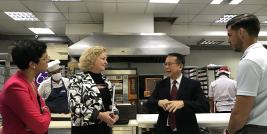
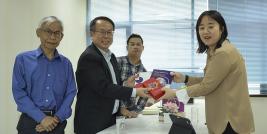
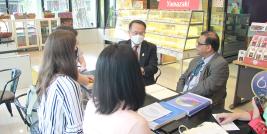
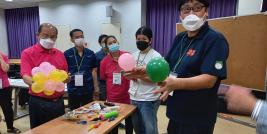
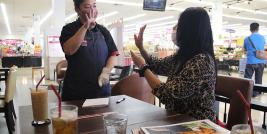
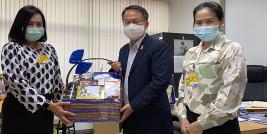
A staff member (center) introduces products made by persons with disabilities to Dr. Tej Bunnag (left)
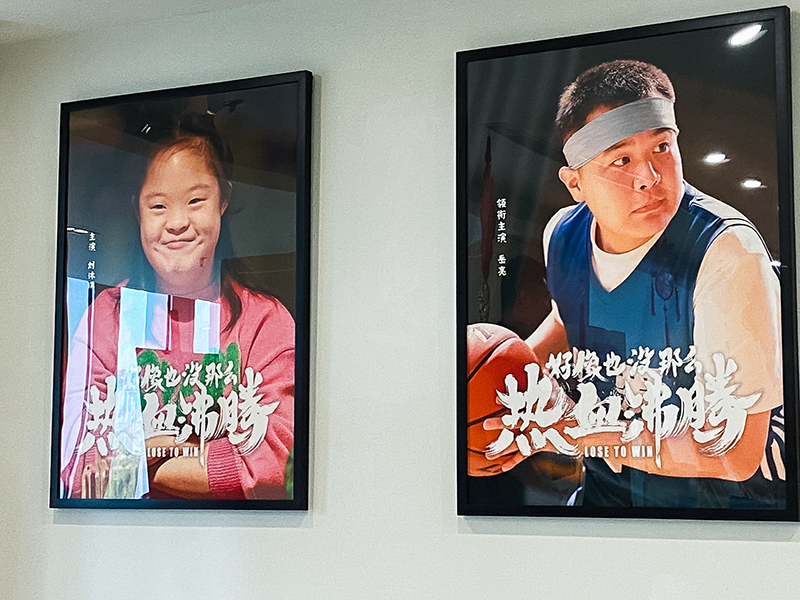
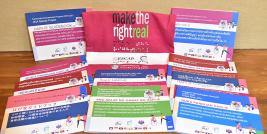
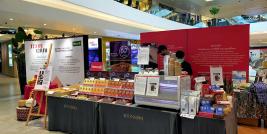
Movie posters featuring actors with disabilities
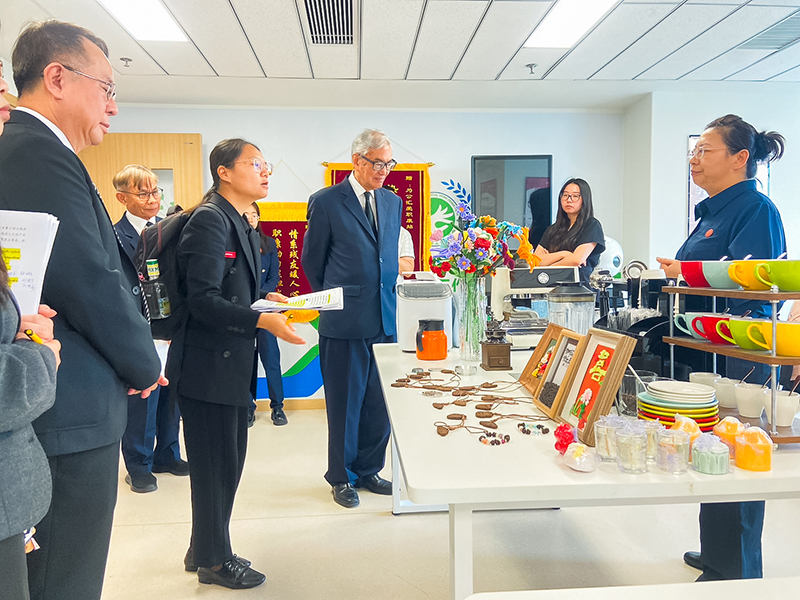
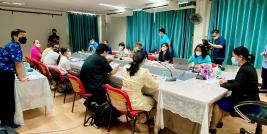
Dr. Tej Bunnag (center), Mr. Piroon Laismit (left), and Mr. Somchai Rungsilp (left, in the background) observe products made by persons with disabilities
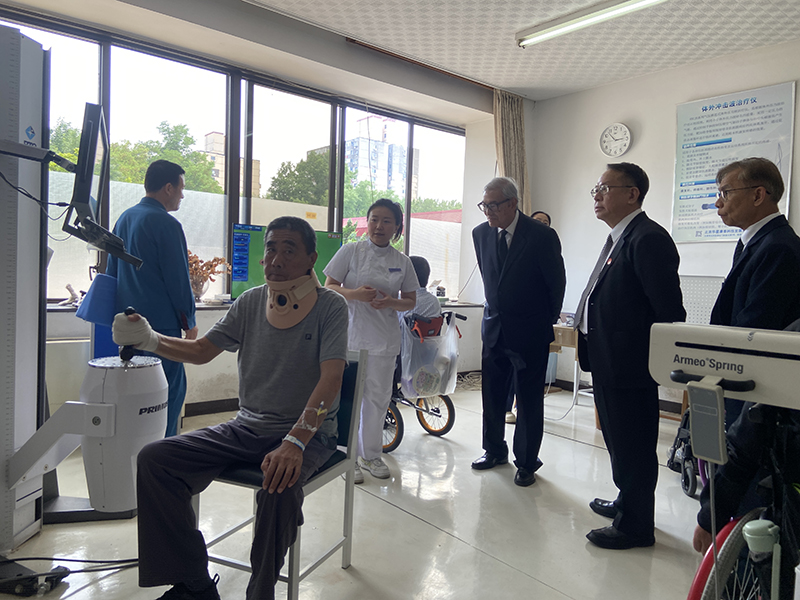
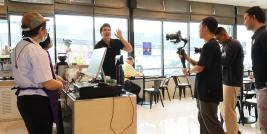
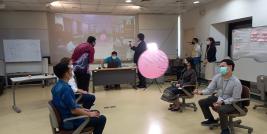
From right to left, Mr. Somchai Rungsilp, Mr. Piroon Laismit, and Dr. Tej Bunnag observe a staff member (center) demonstrating physical therapy for persons with disabilities
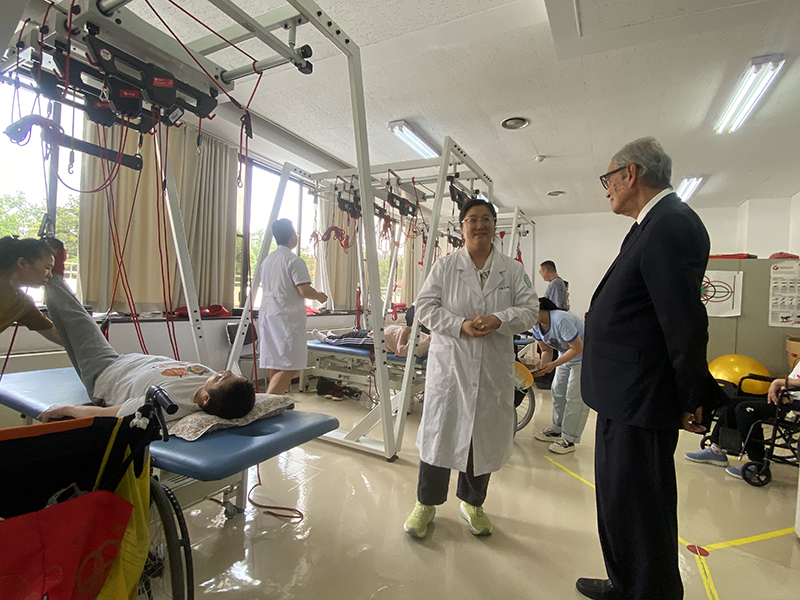
Dr. Tej Bunnag (right) observe a staff member (center) demonstrating physical therapy for persons with disabilities
APCD Studies Disability Service Models, Rehabilitation Practices, Skills Development Programmes, and Assistive Technology Innovations in Beijing, China
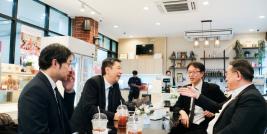
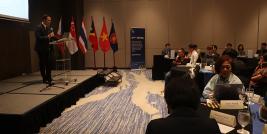
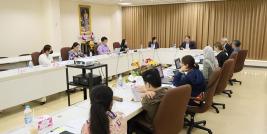
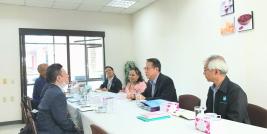
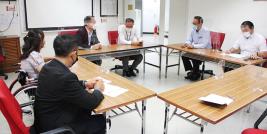
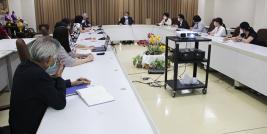
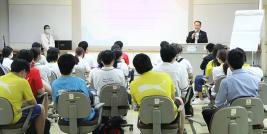
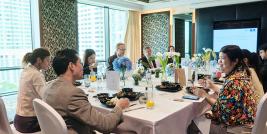
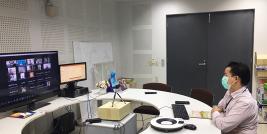
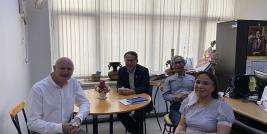
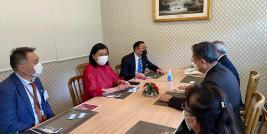
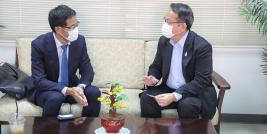
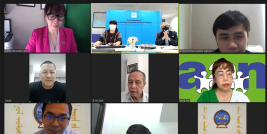
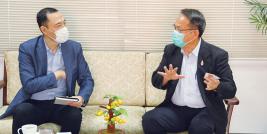
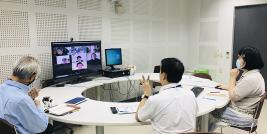
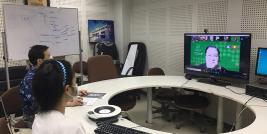
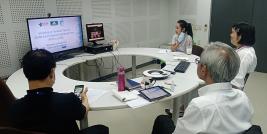
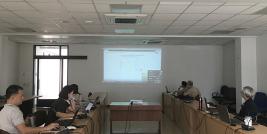
From 22–24 June 2026, a delegation from the Asia-Pacific Development Center on Disability (APCD), led by Dr. Tej Bunnag, President of APCD Foundation; Mr. Piroon Laismit, Executive Director of APCD; Mr. Somchai Rungsilp, Manager, Community Development Department; and Ms. Nongnuch Maytarjittipun, Manager, Information & Knowledge Management, visited Beijing, People’s Republic of China, to exchange knowledge and study disability service models, rehabilitation practices, skills development programmes, and innovative assistive technologies that promote disability-inclusive development.
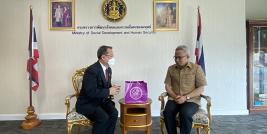
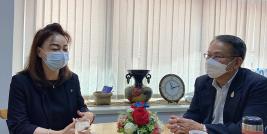
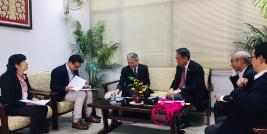
APCD extends its sincere appreciation to H.E. Mr. Chatchai Viriyavejakul, Ambassador; Mr. Varapote Chensavasdijai, Minister, Deputy Chief of mission; Mrs. Duansib Padmasundara Cullen, Minister-Counsellor; and Ms. Prinda Khusakul, Second Secretary, of the Royal Thai Embassy, Beijing, for their generous support, invaluable assistance, and close cooperation in facilitating this visit.
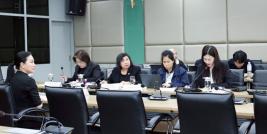
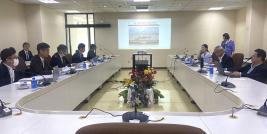
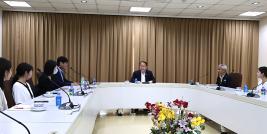
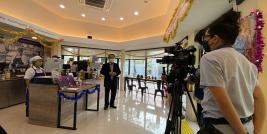
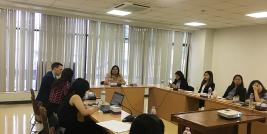
As part of the programme, the APCD delegation visited the Beijing Demonstration Center of Service for Persons with Disabilities, where they were warmly welcomed by Mr. Xie Yanzhi, Deputy Party Secretary of the Beijing Disabled Persons Federation, Vice Chairman, First-Level Inspector; Mr. Yang Zhiqiang, Director, Beijing Demonstration Center of Service for Persons with Disabilities; and Ms. Fu Xiaoxu, Deputy Director, Beijing Demonstration Center of Service for Persons with Disabilities.
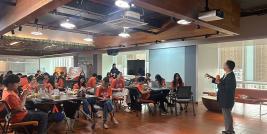
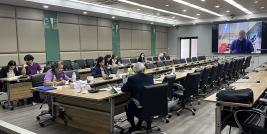
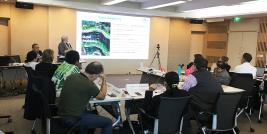
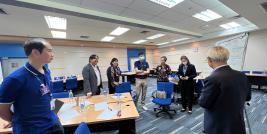
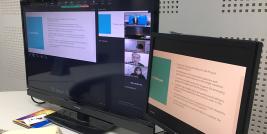
During the visit, the delegation received an overview of the Center’s disability service system and toured its adult rehabilitation programmes, gaining insights into rehabilitation services, service policies and outcomes of the China Disabled Persons’ Federation (CDPF), as well as rehabilitation programmes designed for persons with spinal cord injuries to develop independent living skills and improve their quality of life. The delegation also observed multidisciplinary rehabilitation approaches focusing on physical recovery, functional independence, and community reintegration.
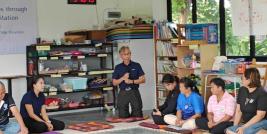
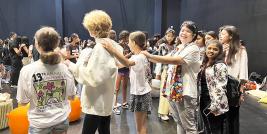
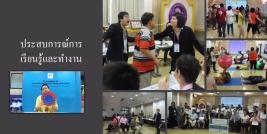
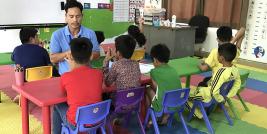
The delegation further visited a variety of skills development and participation programmes for persons with disabilities, where they observed activities in visual arts, drumming, and performing arts designed to foster creativity, self-expression, confidence, and social inclusion. The programmes also support persons with disabilities in developing their talents while promoting independent living and active participation in society.
In addition, the delegation explored China’s innovative approaches to disability inclusion through demonstrations of assistive technologies and rehabilitation innovations, including robotic hand devices for upper-limb rehabilitation and vision-assistive smart glasses designed to enhance mobility and independence for persons with visual impairments. These innovations illustrated the important role of technology in improving accessibility, rehabilitation outcomes, and quality of life for persons with disabilities.
Throughout the visit, the delegation also learned about China’s disability service programmes in areas such as assistive technology, vocational training, inclusive education support, employment promotion, and Community-based Rehabilitation (CBR) / Community-based Inclusive Development (CBID), highlighting practical approaches that promote empowerment of persons with disabilities.
The study visit served as a valuable platform for knowledge exchange and mutual learning. The experiences, innovative practices, and service models observed during the visit will contribute to APCD’s continued efforts to promote disability-inclusive development, expand opportunities for skills development and independent living, and advance equal opportunities and full participation for persons with disabilities across the Asia-Pacific region.
- 69 views